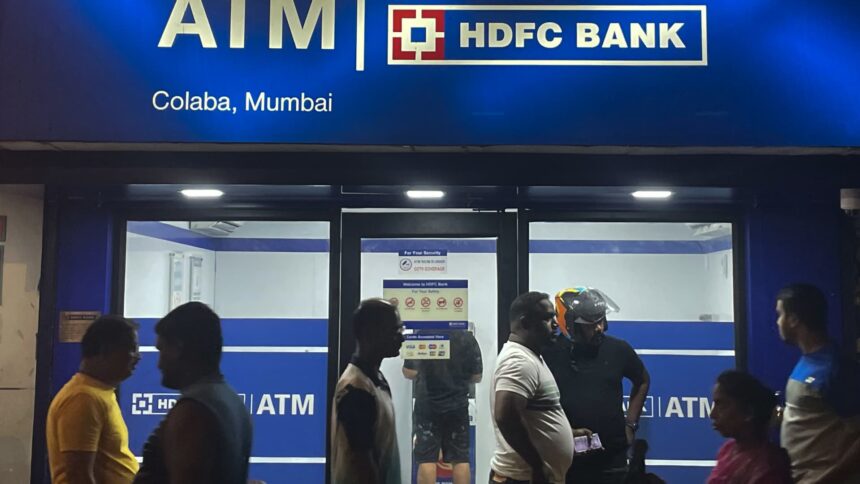
Shares of HDFC Bank, one of India’s leading private sector lenders, experienced a significant decline of 5% on Thursday following the resignation of Atanu Chakraborty, the bank’s part-time chairman. Chakraborty’s resignation highlighted concerns regarding governance and ethical practices within the institution, prompting investor unease.
During an investor call, Keki Mistry, the interim part-time chairman, addressed these governance concerns, stating that Chakraborty had not substantiated his claims with any specific evidence or detailed information. Mistry sought to reassure investors by asserting that the bank’s management operates in a cohesive manner, dismissing any suggestions of internal discord.
In his resignation letter, dated March 17 and submitted shortly before the collapse of HDFC Bank’s stock, Chakraborty expressed discomfort with certain practices he had observed over the past two years, noting that they did not align with his personal values and ethics. He emphasized the importance of the bank’s middle and junior levels in helping to reshape the organization for the future.
HDFC Bank, which has a substantial stake from foreign institutional investors—over 47% of its ownership—faces scrutiny from major shareholders including the Government of Singapore and Norway’s Government Pension Fund Global. These investors hold significant stakes of approximately 2.3% and 1.2%, respectively, and their reaction to the current governance issues remains to be seen.
In response to the unfolding situation, the Reserve Bank of India (RBI) stated that HDFC Bank has “sound financials” and commended its professional board and management. The RBI’s assessment indicated that there were no significant concerns regarding the bank’s conduct or governance.
Market analysts have weighed in on the potential fallout from Chakraborty’s resignation. Deven Choksey, founder and managing director of DRChoksey FinServ, characterized Mistry’s appointment as a necessary “firefighting move.” However, he cautioned investors about potential selling pressure on HDFC shares and advised against bottom-fishing until governance issues are resolved.
As of Wednesday, HDFC Bank’s market capitalization was reported at 13.08 trillion rupees (approximately $140 billion), surpassing the 9.95 trillion rupee valuation of the State Bank of India, which serves as the largest public-sector lender in the country. The market’s reaction to the ongoing internal developments at HDFC Bank will likely be closely monitored in the coming days, as investors await further clarity on governance and operational integrity.