The ongoing conflict in Iran is creating mounting uncertainty across global markets, significantly impacting economic forecasts. Faced with rising volatility, supply chain risks, and unclear policy directions, analysts warn of an increased likelihood of a market sell-off and advise investors to adopt a cautious approach.
This situation has drawn parallels to the “fog of war,” where combatants struggle with disorientation, making it challenging to distinguish between allies and enemies. In the investment arena, a similar disorientation is becoming apparent, leading some experts to recommend that investors evaluate their portfolio risks, raise cash reserves, and await clearer developments regarding the conflict.
The war in Iran has already started to disrupt various sectors, most notably energy. Consumers are feeling the pinch at gas stations, yet the ramifications extend beyond fuel prices. Industries reliant on helium, aluminum, fertilizer, natural gas, and pharmaceuticals may also see price hikes, impacting everything from automobiles to everyday groceries.
Despite attempts to recover this week, major indices like the S&P 500 and the Nasdaq Composite have closed lower for several consecutive weeks. Warnings suggest that prolonged price increases could lead to “demand destruction,” where sustained high prices discourage consumption and potentially spur a recession. Notably, base metals such as copper have experienced significant sell-offs, signaling investor anxiety.
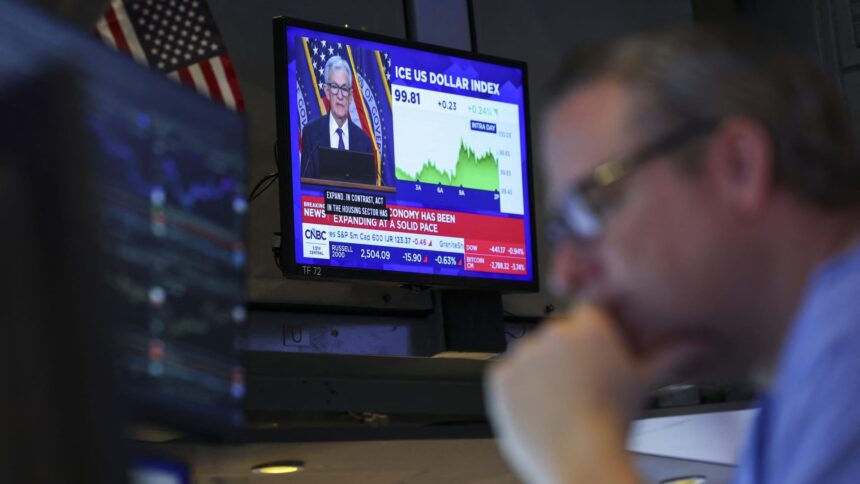
Comments from Federal Reserve Chairman Jerome Powell further encapsulate the uncertainty. At a recent press conference, he acknowledged potential volatility stemming from tariffs and elevated oil prices, urging caution in interpreting economic forecasts amid heightened unpredictability. In contrast, some analysts from JPMorgan believe the market is prematurely pricing in a swift resolution to the conflict, potentially overlooking the risk of a deeper impact on demand.
A recent escalation in the conflict, marked by an Israeli attack on Iran’s South Pars gas field, has raised concerns about the protraction of hostilities. This incident has the potential for widespread retaliation and damages that could take years to repair, particularly if energy infrastructure in the region is heavily affected.
Amidst this turbulence, investors are increasingly considering liquidity as a strategic advantage. Bank of America reported a rise in cash levels among fund managers, suggesting that many are moving toward a more conservative stance. This shift reflects caution and an acknowledgment that persistent volatility may necessitate quicker adjustments in investment strategies. Moreover, JPMorgan noted that while some investors are hedging their positions, many remain heavily leveraged, raising the risk of a market correction if conditions worsen.
Weekend factors are also becoming a vital consideration for investors. Uncertainty can linger over non-trading days, creating a concerning supply imbalance when markets reopen, highlighting the need for vigilance in monitoring market movements.
The Cboe Volatility Index (VIX), which serves as a gauge of market uncertainty, currently fluctuates around 28—indicative of heightened investor anxiety. This represents a stark contrast to the historical median value of around 17.6, and readings nearing or exceeding 30 may signal a growing panic.
As market valuations remain under pressure, the S&P 500’s price-to-earnings ratio reflects investor hesitance, trading at 20.5 times estimated future earnings. Analysts have even revised their year-end target for the index, illustrating the dampened outlook driven by geopolitical tensions.
Should market conditions momentarily improve, investors are advised to view any bounce with caution and may consider reallocating toward sectors less exposed to the turmoil, such as defense and oil and gas. Ultimately, clarity regarding the status of shipping traffic through critical routes like the Strait of Hormuz will be vital for restoring investor confidence and alleviating some of the prevailing uncertainties. Until then, prioritizing risk management in trading strategies will be essential for navigating this challenging financial landscape.