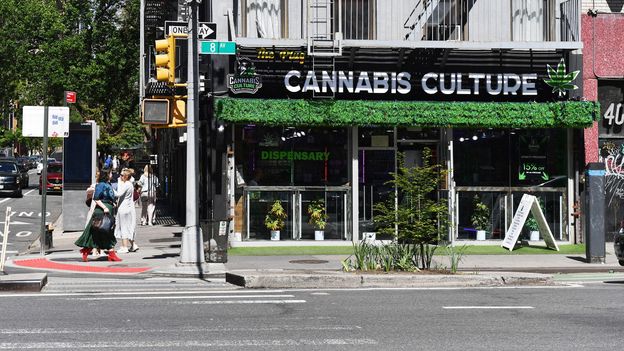
Despite the many avenues available for institutional funding, the cannabis industry remains largely restricted due to existing federal laws, according to industry advocates. Business leaders like Ambrosino have defied these obstacles, managing to expand their operations in a challenging environment. Currently employing around 80 people, Ambrosino expresses optimism about the potential for increased sales as New York prepares to issue more licenses for legal cannabis shops.
Vlad Bautista, co-founder of Happy Munkey, echoes similar sentiments about the challenges faced in the industry. He estimates that a significant 40% of his work time is dedicated to navigating the complex landscape of regulations. Bautista raises concerns about the disproportionate restrictions placed on cannabis advertising compared to other industries such as alcohol and tobacco. “If you own a cannabis business, you have much stricter advertising regulations than companies selling alcohol, cigarettes or gambling,” he notes. This limitation often forces cannabis entrepreneurs to rely on outdated marketing strategies like distributing flyers on the street.
The cannabis sector received a glimmer of hope in December when an executive order signed by former President Trump directed officials to expedite the process of reclassifying marijuana to a less stringent legal category. This move sparked excitement throughout the industry, suggesting a potential shift toward more favorable legislation in the future.
As the industry evolves, stakeholders are keenly watching how regulatory changes may open up new opportunities for growth and investment, particularly in states like New York, which are poised to embrace an expanded legal framework for cannabis sales.