In a surprising turn of events, several high-profile CEOs are choosing to step down rather than adapt to the rapidly changing landscape shaped by artificial intelligence. This trend has sparked discussions about accountability, adaptability, and the implications of AI on corporate leadership.
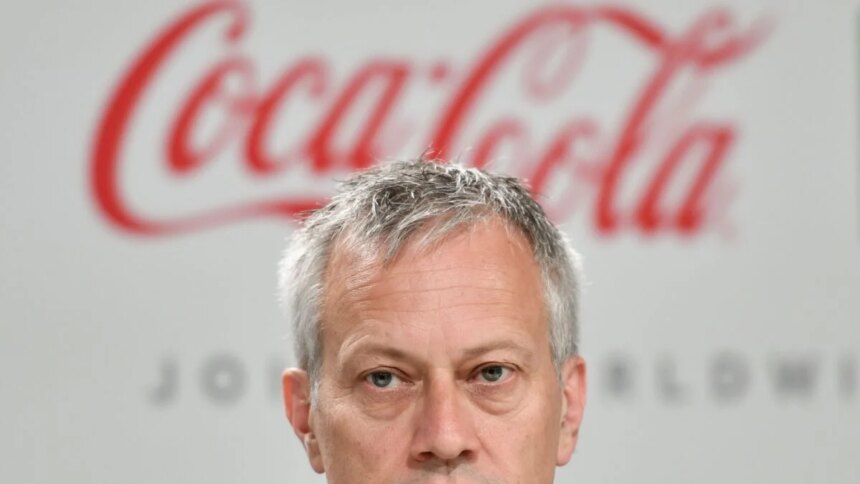
James Quincey, the CEO of Coca-Cola, recently announced his decision to vacate his position, echoing sentiments expressed by Douglas McMillon, the former leader of Walmart. Both executives cited the transformative impact of AI as a primary reason for their departures. During an appearance on CNBC’s “Squawk Box,” Quincey stated, “In a pre-AI, a pre-gen-AI mode, we made a lot of progress. But now there’s a huge new shift coming along.” He emphasized the importance of having the right leadership to navigate future challenges and confirmed his belief that it was time for someone else to guide the company through this pivotal transition.
Quincey’s tenure began in 2017, and he has been with Coca-Cola since the 1990s. His exit signifies not only a personal decision but also a critical moment for the beverage giant. It raises questions about the pressures facing executives in an era of unprecedented technological advancement. Despite previously implementing layoffs to boost efficiency—such as a significant downsizing that affected 1,200 employees and another 75-person reduction earlier this year—Quincey has now recognized a shift that necessitates new leadership.
McMillon’s departure from Walmart was similarly motivated. He expressed the belief that while he could initiate the next phase of AI transformation, finishing it would likely require someone with a different skill set. He referenced the anticipated developments in “agentic commerce” and “the vision for AI shopping,” indicating a clear foresight into the considerable changes ahead.
The decisions by these prominent leaders seem unusual, particularly considering their lucrative compensation packages, each ranging around $20 million. Many executives have traditionally embraced technological advancements as opportunities to enhance profitability and streamline labor costs. Thus, the choice to step back raises intriguing questions about their perceptions of the future and the difficulties they anticipate in leading their organizations through the AI revolution.
Moreover, the urgency of their decisions aligns with broader trends in corporate governance. For instance, Adobe’s Shantanu Narayen recently stepped down after facing pressure from investors who felt his pace in AI initiatives was too slow. This reflects a growing impatience among boards of directors regarding the implementation of AI, which has been touted as a major driver of future growth and efficiency.
Furthermore, concerns about the implications of rapid AI adoption have intensified among industry leaders and economists. Some argue that unless a framework is established to harness AI’s potential within a capitalist structure, there could be dire consequences. Citi banker Jay Collins articulated this viewpoint, asserting that without effective management of these technologies, capitalism itself could be threatened.
With these shifts unfolding, it seems certain that Quincey, McMillon, and others stepping down are making strategic choices in light of uncertain futures. Their departures could be seen as a proactive measure in a landscape that demands flexibility and foresight—a golden parachute as they navigate the unknown territory that artificial intelligence is poised to create in corporate and economic realities.