In the latest development surrounding the ongoing conflict in Iran, President Donald Trump addressed the economic impacts during a Cabinet meeting, expressing a belief that while oil prices have surged and the stock market has slumped, the situation is not as dire as he had anticipated. Despite his optimism that both oil prices and the stock market would rebound, it appears that many investors remain skeptical.
On the same day, U.S. stock indexes continued their downward trend, largely influenced by rising oil prices amid fluctuating updates regarding the Iran war. Trump has opted to extend a pause on potential strikes against Iran’s energy facilities until April 6. He issued a stern warning to Iranian negotiators, stating that they need to take negotiations seriously or face irreversible consequences. Trump’s characterization of the Iranian negotiators was notably critical, describing them as “very different” and claiming they were “begging” for a deal to cease hostilities, which have now persisted for four weeks.
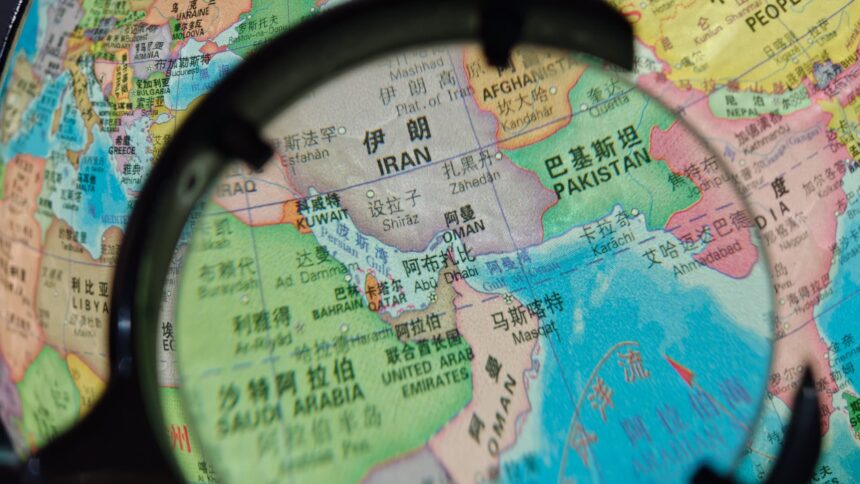
Previously, Trump had indicated that the U.S. would target Iranian energy facilities unless Tehran permitted the reopening of the strategically important Strait of Hormuz. On Thursday, he noted that Iran had allowed ten oil tankers to pass through the vital waterway, portraying this as a conciliatory gesture toward the U.S. However, Tehran has yet to make any official comments regarding this claim.
Meanwhile, reports indicate that Iran is drafting a new legislative measure aimed at imposing tolls on ships navigating the Strait of Hormuz, as per Iranian state-affiliated media. This development adds another layer of complexity to the already tense situation.
In a separate but related incident, Israel’s military announced the death of Iranian naval commander Alireza Tangsiri in a strike, alleging that he played a significant role in efforts to control access to the waterway.
Despite some signs of limited shipping traffic continuing through the Strait, uncertainty over the potential long-term ramifications of the conflict looms large, particularly for the global economy. European members of the G7 have expressed serious concerns, noting the ongoing war’s catastrophic effects on economic stability worldwide.
These apprehensions are not merely theoretical; retail companies are beginning to inform consumers of potential price increases if the conflict drags on, as elevated shipping and energy costs continue to disrupt supply chains and fuel inflationary pressures.
As the situation evolves, market participants, consumers, and nations worldwide are closely monitoring developments in hopes of a resolution to the conflict that doesn’t further destabilize the already fragile global economy.