Six months ago, the digital asset market faced a calamitous event marked by the sudden liquidation of over $19 billion in leveraged positions on October 10, 2025. Dubbed the “10/10 crash,” this incident saw Bitcoin’s value nosedive from $122,000 to $105,000, resulting in the erasure of more than 1.6 million trader accounts. As the market reeled, opinions varied on the causes of this intense sell-off.
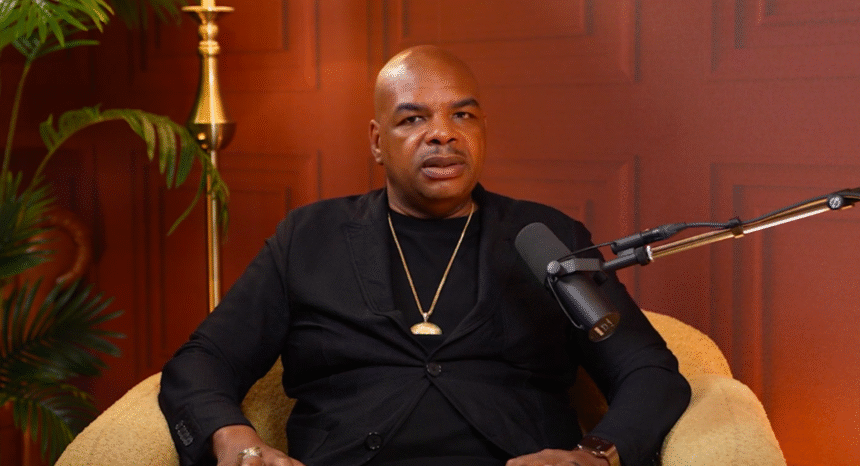
Among those who opined on the roots of the crash is Davinci Jeremie, a prominent early Bitcoin adopter and YouTube influencer known for his early advocacy for the cryptocurrency when it was valued at just $1.00. In a recent discussion with Sujal Jethwani, Jeremie expressed his belief that the crash was strategically orchestrated rather than a random market fluctuation.
Jeremie specifically targeted the influence of wealthy figures, most notably the Trump family, as fitting the profile of those who could benefit from manipulating the market. “It’s clear right now the Trump family wants to push crypto down so that they can get as much as they want,” he asserted during the interview. His observation highlights a stark contrast between the decision-making timelines of the ultra-wealthy and average retail investors. While everyday traders often focus on immediate profits, Jeremie emphasized that wealthy players typically operate on five- to ten-year horizons, enabling them to weather short-term volatility.
He elaborated on the strategies employed by these major market players, which include driving prices down to create buying opportunities. Jeremie pointed out that powerful entities can influence markets without obvious manipulation. He discussed how governments can provoke panic among retail investors through regulatory changes. “What they do, especially when you’re a government, is you just create rules in order for people to do the damage to themselves,” he explained.
Furthermore, he highlighted how changes in leverage requirements or the ability for individuals to borrow against their Bitcoin can precipitate a chaotic environment, thereby leading retail investors to sell in a panic. Jeremie cited specific public statements, like Trump’s ominous “100% tariffs” announcement, as catalysts that can trigger significant price drops, allowing wealthier individuals to buy in at lower rates.
Though the market did eventually recover after the crash, Jeremie insists that such events are often used as tactical maneuvers by large players to build their positions while the general public is left scrambling.
For those who do not possess the same financial clout, Jeremie’s advice is to adopt a more foundational approach to personal finance. He advocates for living on 50% of one’s income while investing the remainder in Bitcoin for the long haul, suggesting that a focus on saving and strategic investing could provide a more stable path forward for retail investors navigating a tumultuous market landscape.