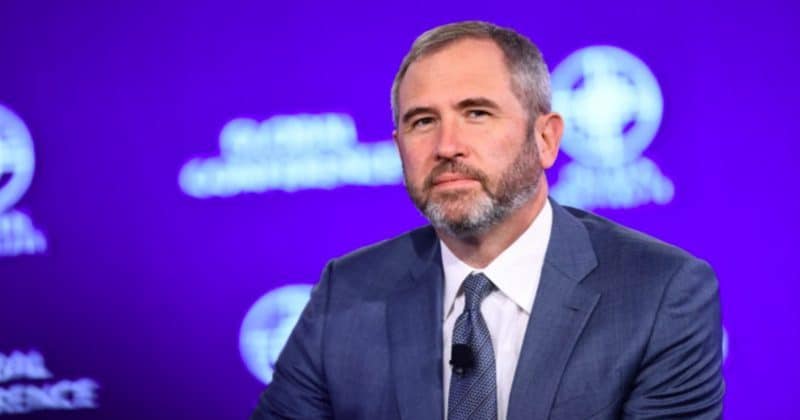
Crypto firms are welcoming new guidance from U.S. regulators, particularly following a recent designation of 16 digital assets as commodities by the Securities and Exchange Commission (SEC) and the Commodity Futures Trading Commission (CFTC). Ripple CEO Brad Garlinghouse characterized this regulatory framework as a significant advancement after years of enforcement actions he described as politically charged during the tenure of former SEC Chair Gary Gensler. Gensler had been instrumental in the initiation of the Ripple lawsuit shortly after taking office in 2021.
Garlinghouse urged Congress to formalize this SEC-CFTC guidance into law to forestall future crackdowns similar to Gensler’s, which he believes could stifle innovation in the cryptocurrency space and hinder the United States’ competitive edge in the global market. “We want to ensure that we can’t have another Gary Gensler moment where policy is weaponized for political purposes rather than serving the best interests of the United States,” he expressed during an appearance on ‘Mornings with Maria.’
Regarding the ongoing legislative efforts, specifically the CLARITY Act, Garlinghouse shared that he has found the process encouraging despite its inherent complexities. He sees key stakeholders making progress toward an agreement on the bill and predicts it could pass by the end of May. “From this White House, we’re seeing amazing leadership to push this forward,” he stated, expressing optimism about the future, albeit acknowledging that the timeline is longer than initially expected.
While Garlinghouse emphasized that the passage of this critical market structure bill would not significantly alter Ripple’s existing business operations, he asserted that it would “unlock” U.S. banks that have historically hesitated to engage with cryptocurrency. This, in turn, could stimulate greater participation from financial institutions within the industry.
Despite the volatile crypto market conditions, Ripple has experienced robust growth. Garlinghouse noted that while the market trend has been relatively flat ahead of 2026, Ripple’s core business operations continue to expand. The acquisitions of Ripple Treasury and Ripple Prime have been pivotal in driving this growth. Ripple Treasury has reportedly exceeded expectations, providing Chief Financial Officers with real-time global liquidity and facilitating instant cross-border payments. Meanwhile, Ripple Prime has seen substantial success, tripling its revenue run rate and bolstering Ripple’s relationships with significant financial institutions, thus opening new opportunities for revenue streams.
This year, Ripple is focused on integrating these business units to realize synergies instead of pursuing new ventures. To support this strategy, the company has increased its workforce by 50% and invested over $1 billion. Garlinghouse indicated that Ripple’s objectives include enhancing corporate adoption, expanding its brokerage operations, and reinforcing the utility and trust associated with XRP.