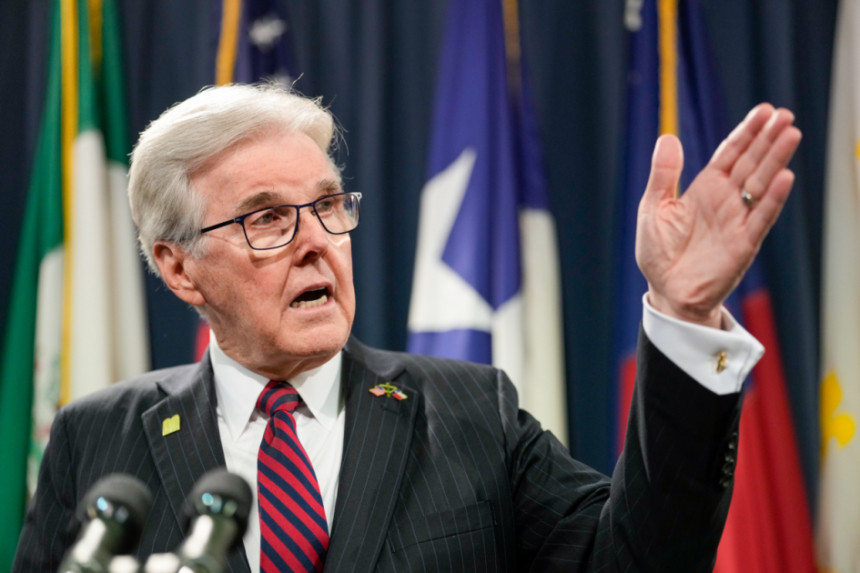
In a significant move ahead of next year’s legislative session, Lt. Gov. Dan Patrick has tasked state senators with evaluating a wide range of critical policy issues, expanding on initial priorities outlined previously. Among the key topics are prediction markets, data centers, and the regulation of THC products, which signal a blend of social, economic, and regulatory concerns that lawmakers will need to address.
Data centers have been highlighted as a priority, with Patrick instructing various Senate committees to analyze their water and electricity demands. This includes assessing the economic benefits these energy-intensive technologies bring against their potential impacts on landowners and community integrity. Additionally, a review of the costs related to sales tax exemptions granted to these data centers is mandated, underscoring the need for a balanced approach to economic growth and community welfare.
The regulation of hemp-based THC products remains a focal point. Patrick has charged the Health and Human Services Committee with examining the implications of THC on health care costs, mental health emergencies, and the risk of adverse psychological conditions. This initiative follows the recent legislative session where efforts to ban such products were unsuccessful due to a gubernatorial veto, indicating a sustained commitment to this issue.
Prediction market gambling, which has gained traction in Texas despite the state’s ban on sports betting and casinos, is also under scrutiny. Patrick has directed the state affairs committee to investigate the rapid rise of these markets and recommend measures to safeguard the integrity of elections and sports in Texas. This comes amid growing concerns about the legitimacy of such platforms and their impact on broader public interests.
On the property tax front, Patrick reiterated his “Operation Double Nickel” proposal aimed at reducing property taxes by increasing the homestead exemption. This plan contrasts with the approaches typically favored by House leadership, which primarily focus on compressing school district tax rates. Meanwhile, Gov. Greg Abbott has introduced a separate strategy, emphasizing the abolition of homeowner school property taxes, setting the stage for potential legislative conflicts.
Election security has also made Patrick’s priority list, with directives for the State Affairs Committee to ensure poll watcher access and evaluate ballot marking and counting methods. Recent incidents in Dallas County, where many voters faced confusion due to the elimination of countywide polling sites, highlighted the urgency of these measures.
In the realm of transportation, Patrick’s proposals seek to enhance safety standards by ensuring immigrant truck drivers demonstrate English proficiency and undergo rigorous checks at driving schools. Additionally, reproductive issues have surfaced as a concern, with a focus on the ethical implications of the surrogacy and fertility industries, alongside the illegal shipment of abortion pills into the state.
Aligning with House priorities, Patrick has also tasked the Health and Human Services Committee with studying rising health care costs, a growing concern for Texans facing higher premiums in the wake of subsidy reductions by Congress.
Lastly, the newly formed Committee on Religious Liberty has been charged with assessing legislation that mandates the display of the Ten Commandments in public school classrooms and facilitates designated prayer time during school hours, reflecting a commitment to uphold religious expressions in educational environments.
Overall, Patrick’s comprehensive interim charges position the Legislature to tackle a diverse array of pressing issues, setting the stage for a potentially contentious and pivotal legislative session ahead.