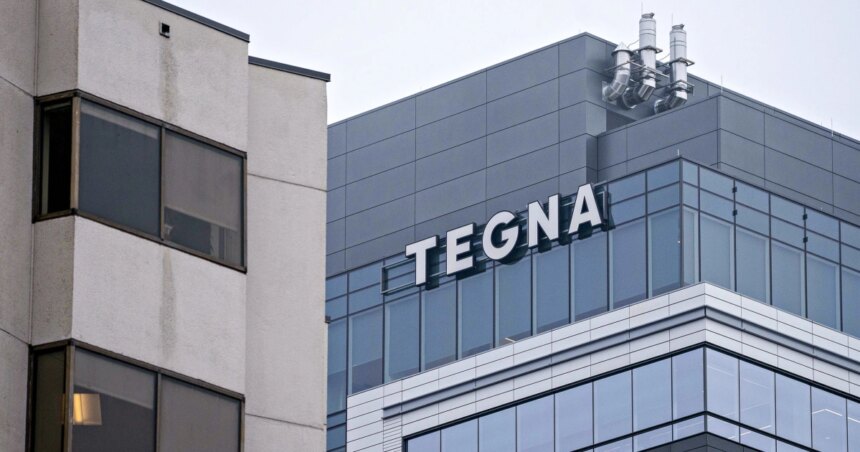
A significant legal development occurred late Friday as a federal judge issued a hold on the proposed $6.2 billion merger between Nexstar Media Group and Tegna. This deal, which aimed to establish the largest operator of local television stations in the United States, has been met with legal challenges surrounding its implications for competition and consumer prices.
U.S. District Judge Troy L. Nunley, based in California, granted a request from DirecTV, which filed a lawsuit alleging that the merger would violate federal antitrust laws. According to the judge’s 24-page ruling, the lawsuit highlighted concerns that the merger would lead to increased television service costs for millions of Americans, the potential closure of local newsrooms, a significant reduction in competition in numerous local markets, and overall harm to consumers.
In conjunction with DirecTV’s legal action, a group of eight state attorneys general, spearheaded by California Attorney General Rob Bonta, filed a separate lawsuit on similar antitrust grounds. Judge Nunley issued a temporary restraining order valid for 14 days and scheduled a hearing for April 7 to further examine the case.
While Nexstar Media Group opted not to comment on the ruling, Tegna has not yet responded to requests for information. Earlier this month, both the Federal Communications Commission (FCC) and the Department of Justice granted their approval for the merger. This decision was notably supported by President Donald Trump.
In its approval, the FCC waived a regulatory rule that prevents any single entity from owning TV stations that serve more than 39% of U.S. households, allowing the new combined entity to reach at least 60%. FCC Chairman Brendan Carr, appointed by Trump, stated that the waiver aligned with the agency’s legal authority.
However, the decision faced scrutiny, particularly from Anna M. Gomez, the sole Democrat on the FCC. She criticized the agency for endorsing the merger in a process that lacked transparency and did not involve a full Commission vote, a sentiment echoed by Senator Ted Cruz, R-Texas, who chairs the Senate Commerce Committee.
Despite the opposition, Nexstar CEO Perry Sook articulated that the merger is crucial for sustaining strong local journalism within the communities served by both companies. Nexstar currently operates 201 stations across 116 television markets while Tegna manages 64 full-power broadcast television stations.