Stock market analysts are urging investors to proceed with caution as historical patterns suggest a troubling connection between rising oil prices and economic recessions. According to Peter Berezin, chief global strategist at BCA Research, every U.S. recession, aside from the COVID-19 pandemic, has been preceded by an oil price shock. In a recent analysis, he highlighted a combination of factors that are creating a challenging macroeconomic environment, including soaring oil prices, an unsustainable boom in technology capital expenditures, high equity valuations, inflated housing prices, and brewing pressures in private credit markets.
Berezin noted that while stocks might appear oversold in the short term, he expects them to conclude the year below current levels, reflecting pervasive concerns. His outlook was visually reinforced with a graph from BCA Research, depicting periods of recession coinciding with oil price spikes dating back to the 1970s.
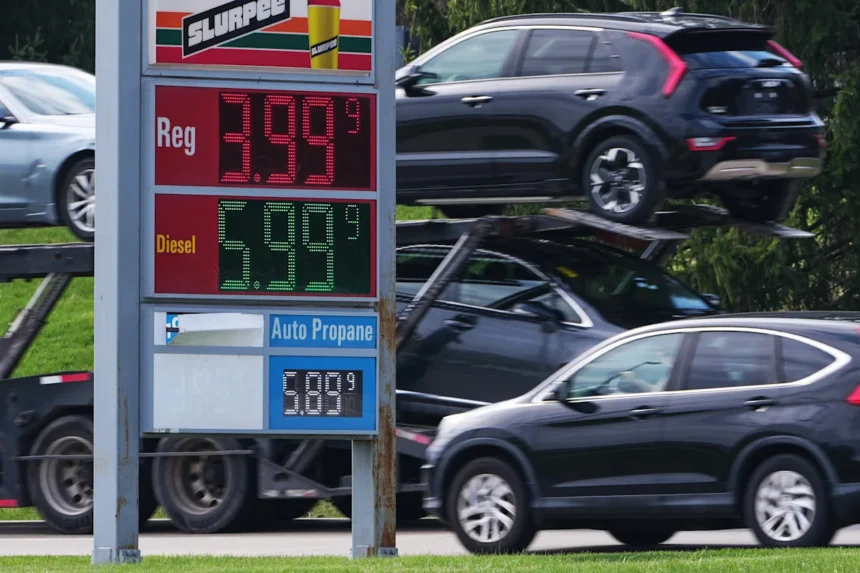
The current surge in oil prices has been exacerbated by geopolitical tensions, particularly following the launch of Operation Epic Fury on February 28, which effectively closed the Strait of Hormuz, a critical artery for 20% of the world’s oil supply. Brent crude prices have skyrocketed by 45%, surpassing $100 per barrel, with financial institutions like Citigroup predicting potential peaks of $150 per barrel. In the U.S., average gasoline prices have reached around $4 per gallon.
Former Trump administration official Gary Cohn emphasized the immediate impact of rising fuel costs on consumers during an appearance on Yahoo Finance. He remarked on the psychological effects at the pump, where consumers can vividly recognize the diminished disposable income associated with increasing gas prices.
As the ramifications of these oil price hikes become apparent, reports of economic strain are emerging. The University of Michigan’s preliminary consumer sentiment index for March plummeted to its lowest level in recent years, with drastic declines in consumer expectations regarding personal finances across various demographics. Concurrently, flash PMI manufacturing surveys pointed towards a significant slowdown in economic activity.
Market analysts are bracing for potentially disappointing labor market data, with the upcoming nonfarm payroll report anticipated to reveal a mere 65,000 new jobs added in March—a likely echo of the disappointing figures from February. As of late March, the major stock indices, including the S&P 500, Nasdaq Composite, and Dow Jones Industrial Average, have all entered correction territory, each down over 10% from their recent highs.
Notably, sectors like the restaurant industry are experiencing considerable downturns, with major chains like McDonald’s reporting declines as consumers tighten their belts, particularly those in lower-income brackets who are feeling elevated economic pressures due to soaring gas prices. Industry analysts interpret this as a clear indication of slowing demand, particularly among cash-strapped consumers who allocate a significant portion of their income to fuel expenses.
As the situation continues to develop, the interconnectedness of rising oil prices and economic stability remains a focal point for investors and analysts alike.