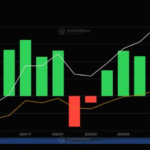
In a recent report by the Bank of Japan, large manufacturers in the country have displayed the highest level of business optimism in over four years, despite ongoing uncertainties linked to the escalating conflict in Iran. This optimism is reflected in the quarterly Tankan survey, which gauges business sentiment among domestic companies and revealed that the index for large manufacturers rose to 17 for the first quarter of 2026, an increase from the previous quarter’s 15 and surpassing economists’ expectations of 16.
A positive index signifies that the number of optimists exceeds that of pessimists. This latest figure marks the highest sentiment level since the fourth quarter of 2021. Economists suggest that solid profits, which have managed to counterbalance rising energy costs, have contributed to this bullish outlook. Carlos Casanova, a senior economist at UBP, noted that these profits have aided manufacturers in navigating the challenges posed by higher energy expenditures.
Moreover, the sentiment among large non-manufacturers remained robust, holding steady at a multi-decade high of 36, unchanged from the previous quarter and exceeding the anticipated figure of 33. Following the release of the survey data, the Nikkei 225 index surged by 4.48%, energized by expectations that the conflict in Iran may soon draw to a close.
Frederic Neumann, chief Asia economist at HSBC, emphasized that the rise in business sentiment aligns with Japan experiencing an uptick in economic momentum at the beginning of the year, bolstered by strong export figures in January and February. However, Neumann cautioned that the current optimism may not fully account for the repercussions of the Iran conflict, as the survey period concluded in March.
He pointed out that while the report indicates strong momentum, the outlook for future activity appears increasingly uncertain, especially with the closure of the Strait of Hormuz severely affecting energy costs and exacerbating supply chain issues. Neumann described the Tankan survey as “somewhat backward looking,” failing to fully incorporate the complexities introduced by the ongoing conflict.
Norihiro Yamaguchi, an economist at Oxford Economics, echoed Neumann’s sentiments, stating that many survey responses do not adequately reflect the escalation of the Iran conflict due to the timing of the survey. Yamaguchi predicted that rising energy costs would likely dampen corporate sentiment in the months ahead, affecting the terms of trade—defined as the ratio between a country’s export and import prices.
As Japan continues to navigate the fallout from the Iran conflict, the government has taken measures such as releasing oil stockpiles and implementing fuel subsidies to mitigate the effects of the energy crisis stemming from the disrupted Strait of Hormuz. Data from the International Energy Agency indicates that Japan relies on imports for over 87% of its energy needs. Reports suggest that a 10% rise in crude oil prices could potentially increase Japan’s consumer inflation rate by up to 0.3 percentage points over a year.
These developments come at a crucial time for Japan, as the nation’s economic landscape remains under pressure from external geopolitical tensions, emphasizing the delicate balance between optimism and caution in the business environment.