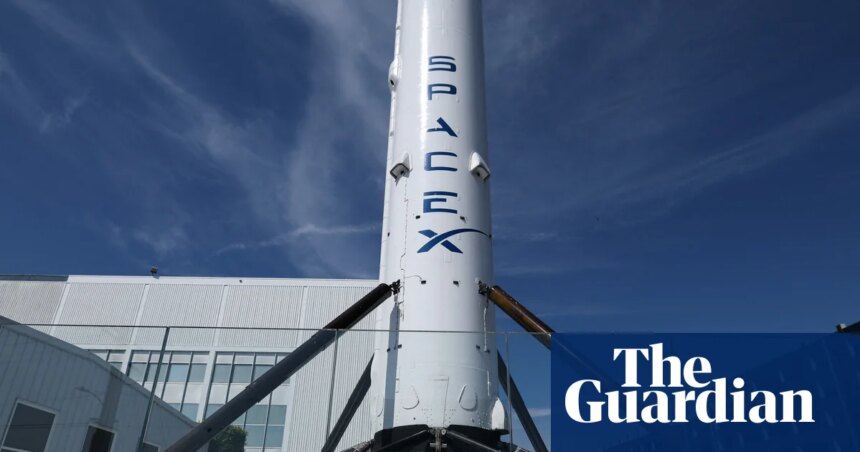
Reports indicate that SpaceX has confidentially submitted paperwork for an initial public offering (IPO) on the U.S. stock market, marking a significant moment for the aerospace industry. Industry watchers are closely monitoring this move, as the IPO promises to be one of the most anticipated and potentially valuable listings in market history, with SpaceX possibly aiming for a staggering valuation exceeding $1.75 trillion.
This confidential filing allows regulatory bodies time to scrutinize the company’s financial disclosures before these details are shared with the public and potential investors. Bloomberg has speculated that the IPO could debut as early as June, aligning with a potentially lucrative year for high-profile public offerings.
Elon Musk’s ambitions do not stop with SpaceX. His other company, OpenAI, is also preparing for its own public offering later this year, having recently completed a funding round that valued it at an impressive $122 billion. Additionally, Anthropic, another AI firm, is also on the brink of going public, suggesting a robust year for technology-based IPOs.
Musk, already recognized as the world’s richest individual, stands to significantly enhance his wealth with this IPO, potentially moving closer to becoming the world’s only trillionaire. A successful public offering would not only be a testament to his ingenuity but also a redemptive achievement following a tumultuous year marked by controversies, including controversies surrounding Tesla and challenges involving his AI ventures.
Over the past decade, SpaceX has solidified its position as the most valuable entity within Musk’s diverse tech portfolio. The company has secured numerous high-value contracts with the U.S. government, becoming an essential partner in defense and space exploration efforts. NASA increasingly relies on SpaceX for the majority of its launches, underscoring the company’s pivotal role in the American space program.
Beyond its successful rocket launches, SpaceX has emerged as a major player in satellite communications through its subsidiary, Starlink. The satellite internet service contributes significantly to the company’s revenue, estimated to account for over half. Starlink’s global reach has also bolstered Musk’s geopolitical influence, with nations like Ukraine utilizing its services for operational planning and military efforts.
In February, SpaceX extended its portfolio by acquiring Musk’s AI venture, xAI, which plans to establish solar-powered datacenters in space to support the burgeoning demands of AI technologies. Despite initially lagging behind competitors in AI capability, xAI was valued at $250 billion during the acquisition.
With the IPO on the horizon, SpaceX is reportedly shifting focus toward developing orbital datacenters and aiding NASA with upcoming moon missions, while Musk’s long-term aspirations of colonizing Mars have taken a back seat in recent discussions.
Detailed financial information about SpaceX, which has remained closely guarded even from many investors, is expected to be revealed as the IPO date approaches. The specifics regarding share costs and additional listing information will become available following a review by the Securities and Exchange Commission. SpaceX is collaborating with several leading international banks, including Barclays plc, to facilitate IPO orders, indicating strong institutional interest in what could be a transformative moment in the tech and space sectors.