Airline stocks across the board experienced notable declines today, reflecting broader market concerns influenced by geopolitical tensions. As of the latest reports, China Eastern Airlines witnessed a drop of 4.6%, trading at HKD 3.73, while China Southern Airlines fell by 4.02%, settling at HKD 4.06. Other major carriers also took hits, with Air China decreasing by 3.01% to HKD 4.83 and Cathay Pacific declining by 2.56%, trading at HKD 11.44.
This downturn in airline stocks coincided with significant developments on the international stage, particularly regarding U.S. relations with Iran. In a televised address, U.S. President Trump warned of potentially severe military action against Iran within the next few weeks, including the possibility of striking local power plants should no diplomatic agreement be forged. His firm stance seems to have dampened market optimism regarding a swift resolution to escalating tensions in the Middle East.
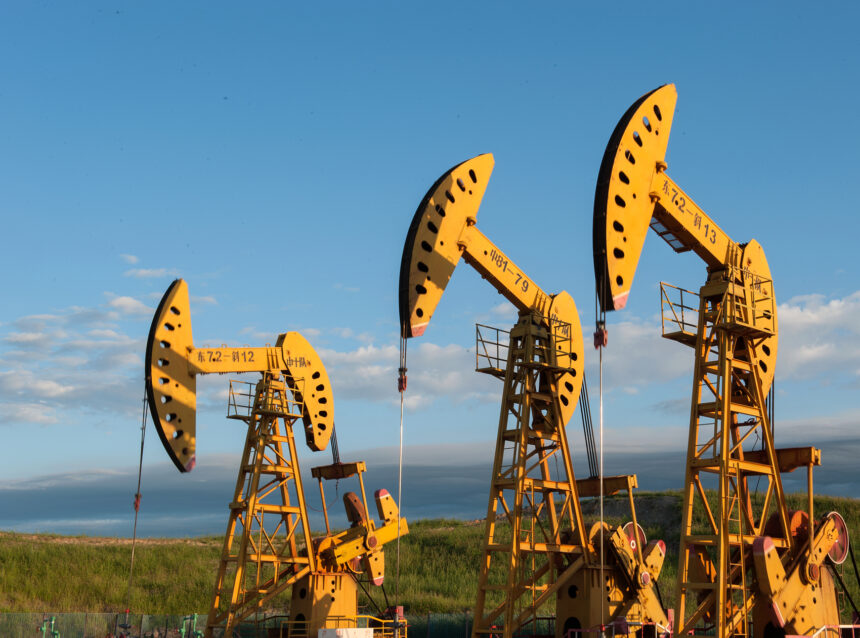
Consequently, international oil prices surged in response to these developments. By the latest data, West Texas Intermediate (WTI) crude oil had risen over 4%, trading at USD 104.35 per barrel, while Brent crude oil saw an increase of nearly 5%, reaching USD 106.195 per barrel.
Experts at Cathay Pacific Haitong Securities highlighted that fuel costs represent approximately 35% of an airline’s overall expenses, indicating that the current spike in oil prices can significantly affect profitability. While the actual financial repercussions will depend on supply and demand dynamics, China’s aviation sector is currently experiencing a period of low growth in supply. However, demand is expected to benefit from stimulus measures aimed at boosting consumption.
The report emphasized that improving conditions in supply and demand may mitigate the adverse effects of fluctuating oil prices. For domestic routes, airlines are set to impose a fuel surcharge to offset some of the rising fuel costs, as the improved supply-demand balance aids in transmitting these costs. In contrast, international routes may face higher ticket prices, especially for flights to Europe, due to disruptions in key transit hubs like Dubai and Doha caused by ongoing conflicts in the Middle East. This increase in ticket prices is anticipated to partially counterbalance the higher operational costs stemming from elevated fuel prices.