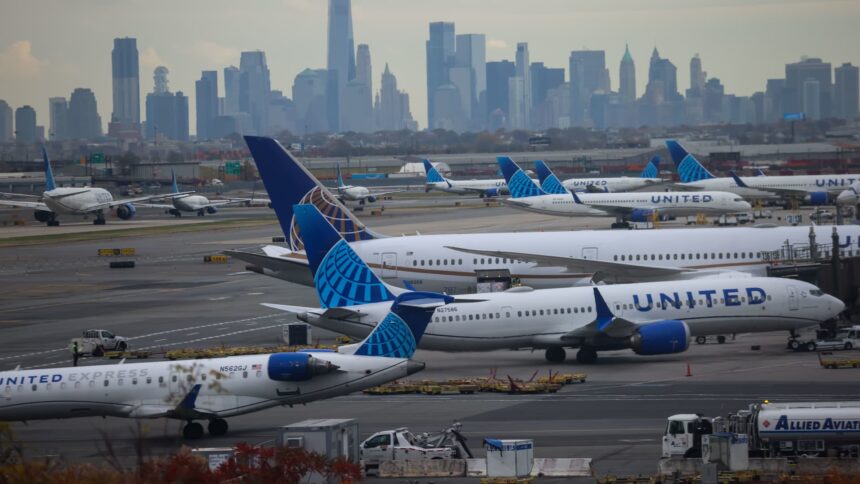
United Airlines has announced a $10 increase to its checked bag fees, making it the second major U.S. airline to do so within the week. This hike brings the fee for checking a first bag on most domestic flights to $45 if paid in advance and $50 if settled within 24 hours of the flight departure.
Effective for tickets purchased starting Friday, April 3, the new fees apply not only to domestic itineraries but also to flights within Mexico, Canada, and Latin America. This adjustment follows a similar move by JetBlue Airways, which raised its checked bag fees between $4 and $9, depending on the booking time.
The increase is largely attributed to an ongoing surge in fuel costs, which rank as airlines’ second-largest expenditure after labor. As of Wednesday, fuel prices in major cities such as Chicago, Houston, Los Angeles, and New York averaged $4.56 per gallon, representing a stark rise of over 82% since late February, following geopolitical tensions surrounding the U.S. and Israel’s military actions against Iran.
United Airlines, which last adjusted its checked bag fees in 2024, noted that such fee increases are often mirrored by competitors in the industry. However, there are exceptions that savvy travelers can leverage. Many airline credit cards offer complimentary checked bags for domestic itineraries, particularly for customers holding elite frequent flyer status. First-class ticket holders also typically benefit from waived checked bag fees.
United emphasized that various groups—such as holders of the United Chase credit card, MileagePlus Premier members, active military personnel, and passengers traveling in premium cabins—are still entitled to check a bag for free. Customers can also save $5 by prepaying for bags online at least 24 hours before their flight.
The hike in airline fees is reflective of broader economic trends, as rising fuel costs affect multiple sectors. For instance, Amazon recently announced a 3.5% “fuel and logistics-related surcharge” for third-party sellers utilizing its fulfillment services, illustrating the widespread impact of increased fuel prices across industries.