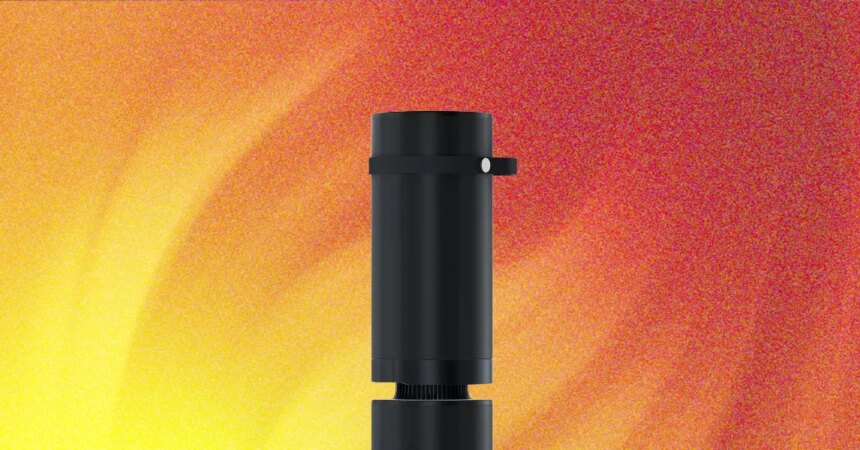
Heatbit is making waves in both the cryptocurrency and home heating markets with its unique device, designed to function as both a miner for Bitcoin and an efficient space heater. The device allows users to track their mining revenue via a dedicated app, even if they haven’t set up a Bitcoin wallet. Once users accumulate a minimum of 100,000 satoshis, or approximately one thousandth of Bitcoin—valued at about $66 based on April 2026 prices—they can transfer their earnings to a wallet.
The app is compatible with popular platforms such as Coinbase, Binance, OKX, and BitFinex, as well as the Lightning network, which offers expedited transactions. Unlike conventional air purifiers that engage only when air quality dips, the Heatbit continuously circulates air through its HEPA filter while both the heater and miner are operational. The manufacturer advises changing the filter every six months, but usage suggests a depletion rate of about 1% daily.
However, some users have reported quirks with the app. For example, one user noted that the external air quality readings were inaccurately linked to King County, Washington, despite their actual location being elsewhere. Despite these minor glitches, the user praised the device’s straightforward entry into the cryptocurrency space, especially for those who might not be well-versed in technology or crypto mining.
Financially, the prospect of cost savings appears enticing. If operated continuously, the device could yield a rebate of approximately $70 to $100 on heating bills every two months. However, a crucial piece of information complicates this rosy scenario: the initial investment. To access these potential savings, users would need to spend at least $1,500 upfront for the current discounted model known as the Maxi Pro. This price tag is significantly higher than that of conventional space heaters, leaving potential buyers to weigh their options carefully.
If energy costs and Bitcoin prices remain stable, it could take between five and eight years for users to recoup their investment, assuming continuous operation over winter months. This timeline comes into sharper focus when considering the device’s one-year warranty and the manufacturer’s claim of a low failure rate for the first-generation models.
The economic viability of the Heatbit comes into question when comparing it to traditional heating methods. In many cases, using natural gas or a heat pump is more cost-effective than relying solely on electric space heaters. However, for households without access to these alternatives, the Heatbit may still present a competitive option—provided it maintains its efficiency over time.
It’s important to note that every crypto mining device inherently generates heat, irrespective of its marketed purpose. Each miner converts electrical power into heat at a near-100% efficiency rate, meaning that even traditional mining equipment serves to warm spaces effectively. Consequently, the most efficient setup for both heating and Bitcoin mining will ultimately depend on which miner delivers the optimal hash rate.
In this fast-evolving landscape, there are many other options available that promise better hash rates. For example, ASIC miners like the Canaan Avalon Q, priced at around $1,900, can outperform the Heatbit while producing a comparable amount of heat. As consumers navigate these choices, weighing upfront costs against potential energy savings will be critical in determining the best solution for their needs.