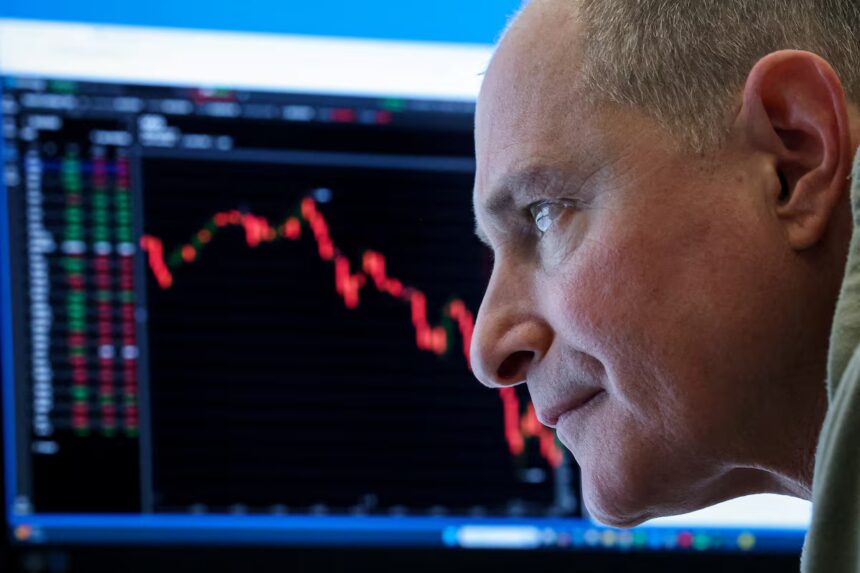
Stock markets are currently experiencing considerable turbulence, influenced by various global events that are affecting investor sentiment and causing frequent fluctuations in share prices. For novice investors, navigating this volatility can be particularly daunting, especially following three consecutive years of growth in North American stocks. However, this erratic market presents a valuable opportunity for newer investors to evaluate their resilience in the face of uncertainty. Understanding how to cope with market dips is essential, as the emotional and psychological impacts can be profound.
For those who have opted for do-it-yourself (DIY) investing, this might be a moment for critical reflection. While managing your own investments can offer advantages—such as autonomy, increased engagement, and lower costs—it also carries significant drawbacks, primarily the absence of professional guidance. A lack of expertise can leave DIY investors feeling overwhelmed, especially without a financial adviser to help navigate challenging market conditions or reassure them during downturns.
Now is a crucial time for individuals to assess their emotional responses to current market fluctuations. Feelings of anxiety and disappointment stemming from declining investments are common, yet continuous concern over market movements may signal that managing one’s portfolio independently might not be the ideal choice. Frequent checking of accounts or an obsession with market trends can lead to hasty decisions, including panic selling, which can detrimentally affect overall investment performance and quality of life.
Digging deeper into this anxiety can reveal underlying issues. Investors often fear that they haven’t made the right investment choices or lack a clear understanding of market dynamics, which can spark doubts about recovery from downturns. Engaging with a financial adviser might alleviate these concerns, but for those seeking a more budget-friendly option, a robo-advisor could also provide valuable support. Robo-advisors typically create diversified investment portfolios based on an individual’s risk tolerance and preferences, ensuring a balanced approach across different market sectors.
If anxiety over market conditions is impacting decision-making or leading to emotional distress, consulting with a knowledgeable financial adviser could be beneficial. A competent adviser can offer reassurance, discuss the rationale behind investment choices, and help realign strategies to suit individual goals, regardless of short-term market behaviors. It is essential to recognize the importance of selecting a high-quality adviser who can provide adequate service and attention.
On the other hand, seasoned investors who understand market volatility and feel comfortable with their investment strategy should still ensure appropriate diversification. A robo-advisor may serve as an excellent alternative to reinforce diverse holdings, usually focusing on index-tracking exchange-traded funds (ETFs), which have demonstrated favorable long-term performance.
In times of market unrest, securing the right level of assistance—be it from a financial adviser or through a robo-advisor—can be crucial in preventing impulsive decisions that could jeopardize long-term financial goals. Making informed decisions now, while market losses are relatively manageable, can help avoid greater hardships during significant economic downturns, reminiscent of the severe declines seen during previous financial crises. It’s vital for DIY investors, who may not have encountered such profound challenges in nearly two decades, to formulate a comprehensive strategy that addresses potential market volatility head-on. Proper planning allows individuals to navigate through turbulent times without compromising their financial aspirations.