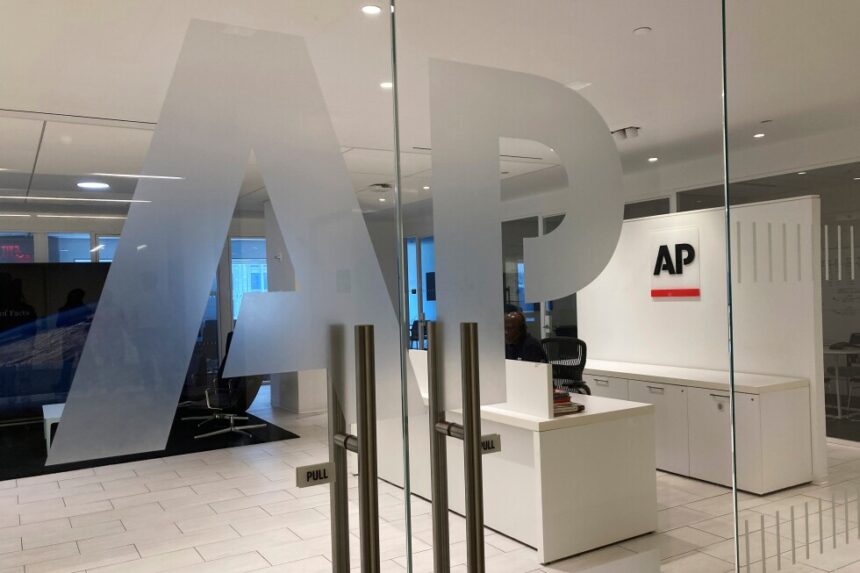
The Associated Press, a cornerstone of news reporting since the mid-1800s, is shifting its focus away from traditional print journalism that historically underpinned the organization. In a significant move announced on Monday, the AP is offering buyouts to a number of its U.S.-based journalists. The union representing AP employees, the News Media Guild, confirmed that over 120 staff members received these buyout offers.
This transition aims to reposition the AP towards visual journalism and explore new revenue streams, particularly as many traditional news outlets face financial challenges. Major newspaper companies, which once constituted the bulk of AP’s revenue, now provide only about 10% of its income. Julie Pace, the executive editor and senior vice president of the AP, emphasized that the organization has not operated as a newspaper company for some time, highlighting a broader industry shift.
Despite these changes, aspects of the traditional staffing structure—originally designed to cater to newspapers and local broadcasters—remain entrenched within the AP. The organization has notably doubled its video journalism team since 2022, yet challenges persist regarding staffing flexibility and adjustments to new media paradigms.
The exact number of positions slated for reduction remains unclear, partly due to the AP’s reluctance to disclose employee figures. However, Pace indicated that the organization intends to reduce its global workforce by less than 5%, suggesting that cuts among U.S. journalists could exceed that percentage if a substantial number accept the buyout offers. The union criticized the AP for neglecting to provide adequate training and tools for adapting to changing media landscapes, while also summoning concerns about the organization’s increasing reliance on artificial intelligence without engaging staff in discussions about its implications.
Recent developments have further compounded the AP’s challenges. Over the past four years, the organization has experienced a 25% revenue decline from its newspaper partners. This decline was exacerbated by major publishers like Gannett and McClatchy discontinuing their relationships with the AP. The situation worsened when Lee Enterprises—an operator of several significant newspapers—sought an early exit from a contract that was expected to last until 2026.
Despite these hurdles, Pace assured that the AP is not in distress but is adapting to a transformed media landscape. The organization is not only intensifying its investment in video capabilities but is also deploying rapid-response teams to cover significant news stories collaboratively. The AP remains committed to maintaining its presence across all 50 states while enhancing its role in delivering news.
In response to changing consumer habits, largely influenced by broadcast and digital platforms, the AP has forged new partnerships. The organization has seen remarkable growth in revenue from technology companies, increasing by 200% over four years. Its collaboration with AI companies, such as leasing parts of its text archive to OpenAI, underscores its strategic pivot towards modern reporting and data services.
Additionally, the AP has recently entered the realm of election data, agreeing to sell such information to Kalshi, the world’s leading prediction market. The company has experienced growth in its election data services, marked by a 30% increase in clientele between the 2020 and 2024 election cycles.
The AP is also diversifying its offerings to consumers through platforms like apnews.com, which generates revenue through advertising and donations. Leaders within the organization have reassured that these business developments will not compromise its commitment to delivering fast, accurate, and impartial news. They emphasized the importance of maintaining journalistic integrity, especially during a time rife with misinformation.
Looking ahead, the AP is exploring innovative fact-checking methods that incorporate video and enhance transparency about reporting processes. By associating experienced journalists with their stories, the organization aims to bolster its credibility in an era where trust in media is critically important.