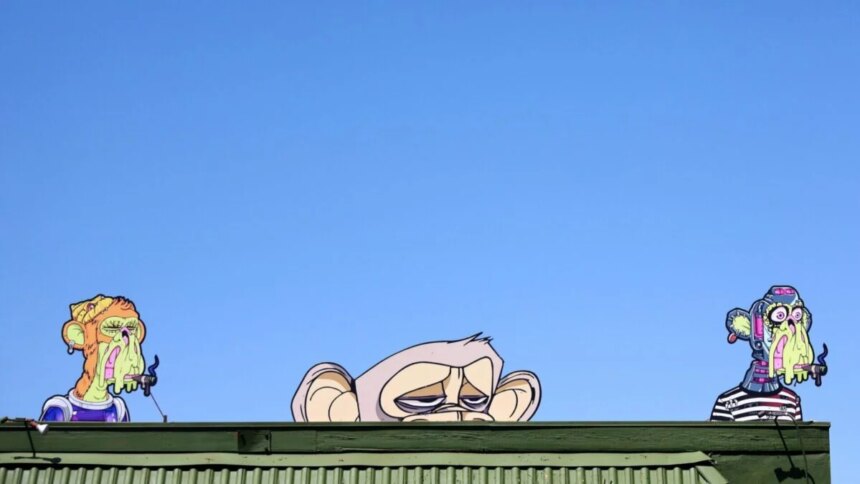
Yuga Labs, the creator of the highly influential Bored Ape Yacht Club (BAYC) NFTs, has finally settled a long-standing lawsuit involving artist Ryder Ripps and entrepreneur Jeremy Cahen. While the specific terms of the settlement remain confidential, it has emerged that the agreement prohibits Ripps from using any Yuga Labs trademarks or images.
The saga began amidst the meteoric rise of BAYC NFTs in 2021, which sold for millions. However, following a dramatic crash in the NFT market, Ripps found himself in a complex legal situation. His provocative art, which included minting an NFT audio tape featuring himself and his then-fiancée, rapper Azealia Banks, drew attention for its audacity. But it was his claims that BAYC was rife with racist imagery that ignited the legal battle. Ripps published an online manifesto titled “Bored Ape Yacht Club is Racist and Started by Neo-Nazis,” alleging that Yuga Labs was embedding insidious content within their NFTs.
In conjunction with Cahen, Ripps launched an NFT project called “RR/BAYC,” framing it as “appropriation art” and a form of protest. Customers could purchase NFTs of their choice from the Bored Ape collection for about $200 in ETH, but had to acknowledge a disclaimer stating their understanding that the NFTs were a re-contextualization intended for educational and satirical purposes.
Yuga Labs swiftly responded by suing Ripps and Cahen, citing “false designation of origin, false advertising, cybersquatting, trademark infringement, unfair competition, unjust enrichment, conversion, and tortious interference.” The company accused Ripps of attempting to devalue the Bored Ape NFTs by flooding the market with his copycat collection, which he labeled as “RR/BAYC” NFTs.
The trial itself became notorious for its chaotic nature. The presiding judge later commented on the defendants’ obstructive behavior during depositions and trial testimony. They made slanderous statements against Yuga, its founders, and its legal representatives, even labeling them as “criminals” and accusing them of promoting various immoral activities through their marketing strategies.
In February 2024, the court ruled in favor of Yuga Labs, mandating that Ripps and Cahen pay approximately $9 million in damages. A spokesperson for Yuga Labs proclaimed that the ruling served as a significant victory not just for the company, but also for the broader web3 community by holding counterfeiters accountable.
Despite the setback, the defendants appealed the ruling to the Ninth Circuit Court, and by July 2024, the court overturned the decision, allowing for a new jury trial. Surprisingly, no trial ever took place. Instead, recent filings in April 2026 indicated that Yuga Labs and the defendants had reached a mutual agreement to settle all claims related to the case.
During the ongoing legal turmoil, interest in BAYC subsided considerably. However, the iconic NFTs made a resurgence in recent times through a new metaverse experience called Otherside. As the dust settles on the lengthy legal battle, reports indicate that Ripps reiterated the confidentiality of the settlement terms, while Yuga Labs opted not to comment on the resolution.