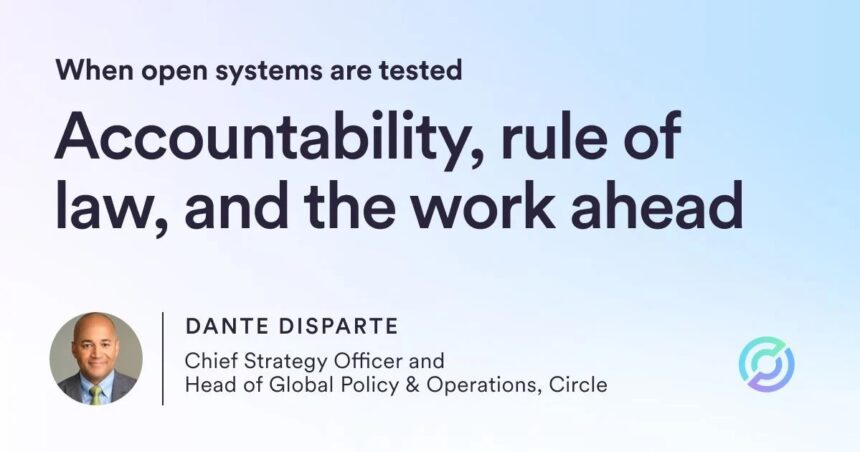
On April 1, the Drift Protocol faced a major exploit resulting in publicized losses exceeding $270 million. This incident sparked immediate discussions within the digital asset ecosystem, prompting varied reactions among stakeholders. Some players called for enhanced regulations to prevent future occurrences, while others cautioned against imposing overly stringent controls that could stifle innovation. This tension highlights the ongoing debate about the future of policy in the cryptocurrency space and emphasizes the importance of finding a balanced approach to regulation.
The U.S. Department of the Treasury has been quick to engage in critical rulemaking, particularly concerning the GENIUS Act, which addresses financial integrity norms for stablecoins. A key point of discussion is the distinction between the regulatory mechanisms in place, such as the ability of companies like Circle to freeze USDC, and perceptions of police power. Circle emphasizes that these actions are mandated by law, not arbitrary decisions. The freezing of funds is fundamentally a compliance obligation, executed only when legally compelled by appropriate authorities, underscoring the need for rule of law in digital finance.
This policy framework not only protects the rights of USDC holders against arbitrary actions but also mandates a structure that balances compliance with the preservation of privacy and digital property rights. Circle aims to mitigate the risks associated with the power to freeze funds by carefully crafting their policies to avoid overreach, maintaining a commitment to developers and users in the financial system.
The exploit also highlights systemic vulnerabilities within the crypto market, which was initially built on principles of permissionless innovation. While this openness is a significant asset, it can lead to vulnerabilities when accountability measures are lacking. Bad actors not only steal funds but test the robustness of entire systems, revealing weaknesses within different layers — from wallets to protocols and exchanges. Any regulatory attempts that threaten to disrupt this intricate network, such as restricting self-hosted wallets, could endanger the entire ecosystem.
A collaborative approach is vital, requiring all participants — from protocol developers to exchanges — to acknowledge security and accountability as shared responsibilities. Implementing measures such as technological circuit breakers in decentralized finance (DeFi) protocols could offer protective mechanisms similar to those employed in traditional markets, enabling a balanced approach to security while maintaining openness.
As the industry grapples with the ramifications of the Drift Protocol incident, there is a consensus that the existing legal frameworks are insufficient to enable rapid intervention against illicit activities. The gap between evolving technology and regulatory responses is a pressing concern, requiring proactive policy solutions. Circle is actively involved in discussions with policymakers both in the U.S. and abroad to develop modern regulations that would allow for more decisive action against threats without compromising the fundamental rights and privacy of users.
The ongoing legislative efforts, including the GENIUS Act and the broader CLARITY Act, present an opportunity to establish robust regulatory standards before another incident necessitates sweeping changes that could undermine open systems. The primary objective is not to grant private entities unchecked power to exclude users but to create legally sanctioned interventions that can respond swiftly to threats.
In this climate, the future of open financial systems will inevitably face tests that could challenge their integrity. However, this is not an argument for closing these systems; rather, it is a call to improve them. Building frameworks that incorporate accountability, adapt to rapid threats, and foster a culture of collective defense is paramount. The resilience of the cryptocurrency market depends on continuous improvement and vigilance, ensuring that no single event or exploit can bring down the entire system.