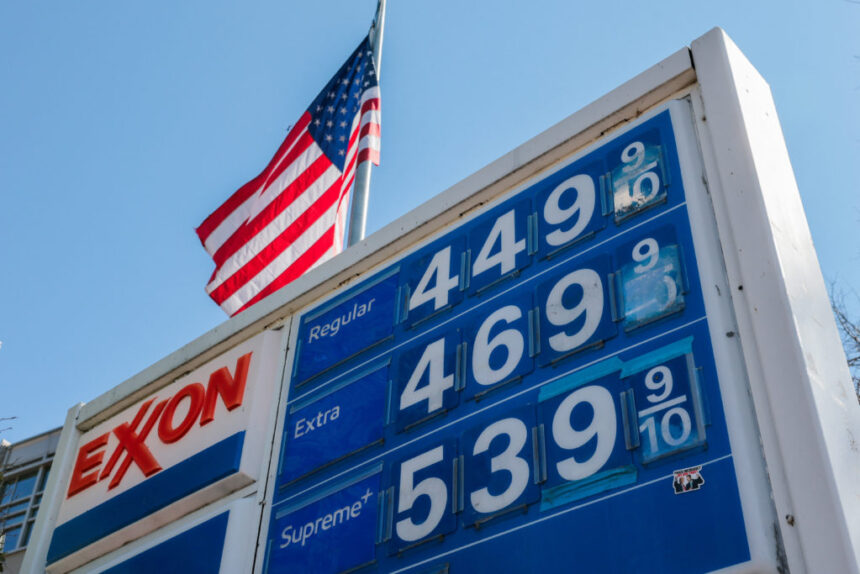
FORT COLLINS, Colo. — Amid rising gas prices largely influenced by ongoing geopolitical conflicts, including tensions related to the Iran war, individuals like Junelle Lewis from the Seattle area are searching for ways to ease their financial burden at the pump. With an eye on affordability, Lewis discovered that the Tulalip Reservation, located just north of Seattle, offered a significant price drop for gasoline.
While filling up her Chevrolet Suburban, Lewis noted that the price at the Tulalip Market was $4.84 per gallon, a marked difference of about 75 cents compared to gas prices near her home. “Gas is ridiculous,” she remarked, acknowledging her commitment to traveling specifically to save on fuel costs. “Over the years, this gas station specifically is cheaper than a lot around here. Probably the cheapest.”
This trend of seeking lower fuel prices on Native American reservations is not unique to Washington state. Similar patterns are being observed across various states including California, New Mexico, New York, and Oklahoma, where tribal-owned gas stations, exempt from state fuel taxes, offer rates significantly lower than surrounding stations.
Nationwide, gasoline prices have surged by more than $1 since the onset of the Iran war, with the national average reaching $4.15 per gallon as reported by AAA. Although prices had previously exceeded $5 during the summer of 2022, experts suggest that they could continue to rise due to extended geopolitical tensions, further contributing to inflation. In light of these challenges, many consumers are turning to mobile apps like Gas Buddy to pinpoint the most affordable fuel options.
Tribal lands provide a unique advantage in this regard due to tax exemptions on fuel sales. While federally recognized tribes must still pay federal fuel taxes, they are not subject to state fuel taxes on their lands. This long-standing legal precedent has been affirmed by several court rulings over the years, including a landmark 2019 decision that reinforced tribal rights regarding fuel taxation.
Convenience stores located on tribal lands capitalize on these tax breaks, not only through gas sales but also by providing essential groceries and household items that are often scarce in rural areas. Matthew Klas, a consultant specializing in tribal businesses, notes the increasing importance of these stores in meeting local community needs.
Gas stations are sometimes positioned near or at tribal casinos, benefiting from the foot traffic generated by these entertainment venues. The revenue generated by these businesses plays a vital role in funding community services such as infrastructure, healthcare, and education, as highlighted by Tanya Burns, CEO of the Tulalip Tribes Federal Corporation.
As consumers express concern over rising fuel prices, many are finding solace in the savings offered at tribally owned stations. Stories proliferate of people like Todd Hall from Oklahoma, who noted that while he paid about $4.57 per gallon for diesel at the Citizen Potawatomi Nation gas station, the prices were still notably lower compared to other nearby options.
Despite frustrations over the current economic climate, customers like Mark Foster value their loyalty to tribal gas stations not only for competitive pricing but also for their positive contributions to the community. As he succinctly put it, “I like the way the tribe operates. And the price is good too.”
The continued rise in gas prices poses challenges for drivers, but many are turning to innovative solutions that support local economies while providing essential services in their communities.