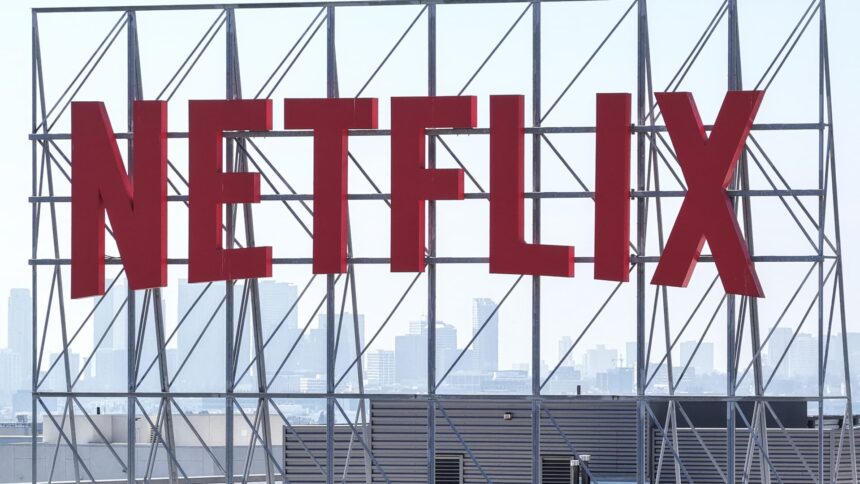
In a stunning aerial view captured on October 7, 2025, the Netflix logo reigns over its corporate offices in Los Angeles, symbolizing the company’s significant presence in the streaming landscape. The romance between investors and streaming services has been nurtured over the past decade, particularly as consumers abandon traditional cable TV in favor of direct-to-consumer platforms. Initially, investor enthusiasm focused on subscriber growth; however, the narrative has shifted toward profitability, raising critical questions about the sustainability of this sector.
To meet evolving investor expectations, streaming companies have implemented a series of strategies, including price hikes, stricter password-sharing policies, and an exploration of ad-supported models. Recent moves by companies like Paramount Skydance to acquire Warner Bros. Discovery highlight the intense competition for extensive content libraries and formidable streaming options like HBO Max. Although streaming remains a focal point for driving media stock valuations, uncertainties linger regarding when, or if, profitability will materialize for smaller market players.
Robert Fishman, a senior research analyst at MoffettNathanson, recently posed a pivotal question: “Is streaming a good business?” His conclusions indicate that while streaming can yield profits, only those companies achieving significant scale will truly benefit. Legacy media firms continue to wrestle with declining profits from traditional TV, leading to a general rise in streaming subscription prices and growing concerns among consumers about affordability. Industry giants such as Disney have managed to carve out profitable streaming segments, yet companies like Paramount and Warner Bros. Discovery are still striving for consistent profitability.
With streaming metrics now focusing on profitability rather than subscriber counts, investors scrutinize companies for their operating margins. Netflix has set a high bar with a reported operating margin of 29.5% in 2025. In contrast, Disney has projected a 10% margin for its direct-to-consumer sector in fiscal 2026. Doug Creutz of Cowen emphasized the seismic shift in metrics as linear businesses decline, asking whether streaming can ever be as profitable as its predecessor.
Netflix’s early entry into the streaming market afforded it significant advantages, including a vast audience drawn in by lower-cost alternatives to cable. The company has expanded its library both through traditional partnerships and original content creation, securing 325 million global paid subscribers by January 2025. Analysts recognize that no other streaming service is close to Netflix in terms of scale, enabling the spread of fixed costs over a larger subscriber base and amplifying profit potential.
However, Netflix faces increasing rivalry as more competitors enter the fray, including platforms like YouTube and TikTok, challenging its viewership. Following its first quarterly subscriber loss in over a decade in 2022, Netflix made significant adjustments to its business model, launching a lower-cost ad-supported tier and ceasing to report subscriber counts regularly. Similar trends have emerged across the industry as companies shift focus toward profitability.
The comparison between Netflix and legacy media is fraught with complexities, given that traditional players maintain substantial revenues from linear TV and other verticals such as theatrical releases, merchandising, and theme parks. In contrast, Netflix has only recently pivoted to include merchandising and live events in its portfolio, lacking the legacy businesses that have cushioned traditional media companies.
To boost revenue, Netflix and its competitors have raised prices across their streaming platforms, much to consumer dismay. However, Wall Street has responded well to these adjustments, viewing them as a necessary step for enhanced profitability. Analysts predict that Netflix, in particular, could significantly grow its ad revenue, which exceeded $1.5 billion in 2025, and is poised to double in the following year.
As the landscape continues to evolve, price points for streaming subscriptions vary significantly. For instance, Netflix’s plans range from $8.99 for its ad-supported tier to $26.99 for premium access, while other services like Disney and Amazon Prime Video offer similar bundling options. With many companies now employing ad-supported models—ranging from Hulu to Paramount+—the push toward profitability is increasingly evident.
While traditional models based on advertising have encountered challenges, the rapid growth of streaming as an advertising source signals a potential pivot in the advertising ecosystem. Legacy media firms, although slower to transition into streaming, have been proactive in adopting ad strategies, which could hasten their paths to profitability. Despite the hurdles posed by competition and evolving consumer preferences, streaming remains a burgeoning sector, generating substantial interest and investment on Wall Street. As Netflix prepares for its upcoming earnings report, the stakes for continued growth and adaptation are higher than ever.