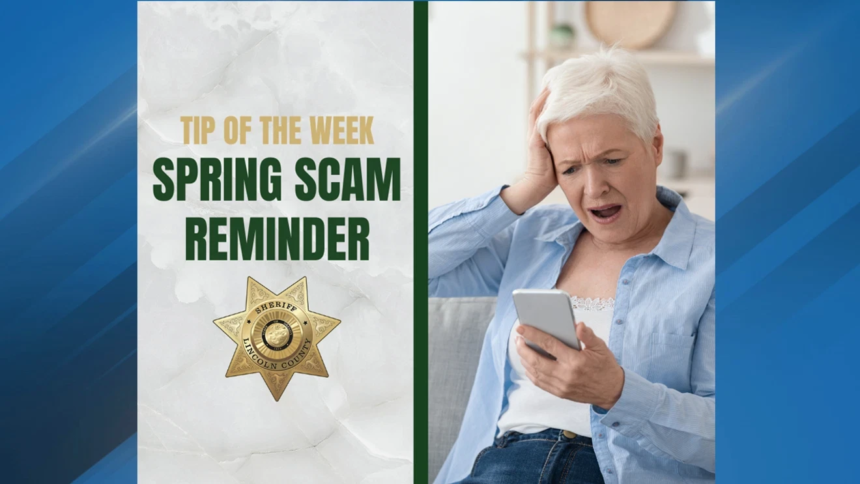
LINN COUNTY, Ore. — Residents of Linn County are being urged to remain vigilant against an increase in scams, with the Lincoln County Sheriff’s Office (LCSO) highlighting the tactics employed by fraudsters to deceive individuals into giving away personal information. Each year, countless Oregonians fall prey to these schemes, often perpetuated by criminals masquerading as legitimate organizations or businesses.
One prevalent scam in the area involves phone calls from imposters claiming to represent LCSO or other agencies. These scammers typically fabricate narratives about jury duty or outstanding fees, creating a sense of urgency to pressure victims into making immediate payments. Payment methods requested often include non-traditional forms such as Bitcoin and gift cards. LCSO emphasizes that their office will never solicit payments over the phone. Community members are advised to gather details from unknown callers, including their name, agency, and the purpose of their call, before hanging up and seeking verification through official channels.
To safeguard against falling victim to such scams, LCSO recommends several precautionary measures:
- Exercise caution with unfamiliar contacts: Whether approached through phone calls, mails, emails, or social media, always consider the possibility of a scam.
- Verify information through official sources: Do not solely trust the information provided by the caller. Should you have doubts, it’s crucial to contact the organization directly via its official website or a known phone number.
- Protect personal information and passwords: Regularly update your security software, use password protection, and ensure Wi-Fi networks are secured with strong passwords. Additionally, avoid accessing sensitive information using public computers or unsecured Wi-Fi networks.
- Be skeptical of unsolicited communications: Do not engage with unknown attachments or links in suspicious messages, and refrain from divulging personal details such as credit card information or social security numbers over the phone.
- Keep a record of official contact information: Store phone numbers, websites, and addresses of legitimate organizations to facilitate verification in case of suspicious communications.
- Educate friends and family: Share knowledge about how to identify scams and encourage loved ones to report suspicious interactions.
LCSO confirms that government agencies typically do not request sensitive information, such as passwords or social security numbers, over the phone. By adhering to these guidelines, residents can protect themselves and contribute to community-wide awareness of fraudulent activities.