A growing push for increased taxation on affluent homeowners in New York has intensified discussions about the extent to which states should pursue higher revenue. This debate comes against a backdrop of policymakers considering the broader economic ramifications of such measures on investment, housing markets, and taxpayer behavior.
In a recent segment on “Varney & Co.,” FOX Business’ Connor Hansen outlined the latest proposals, which focus on taxing high-value second homes owned by non-residents. The initiative reflects a broader trend among state leaders to seek fresh revenue streams, particularly from wealthier individuals, amid ongoing fiscal pressures.
Compounding these discussions is the situation in South Hadley, Massachusetts, where residents are voting on a proposal for a staggering 50% increase in property taxes. Local retirees have voiced concerns about being priced out of their homes, reflecting a growing national sentiment against rising taxes. Amidst this backdrop, frustrations over tax burdens continue, even as data from the Internal Revenue Service reveals that average tax refunds have risen compared to the previous year.
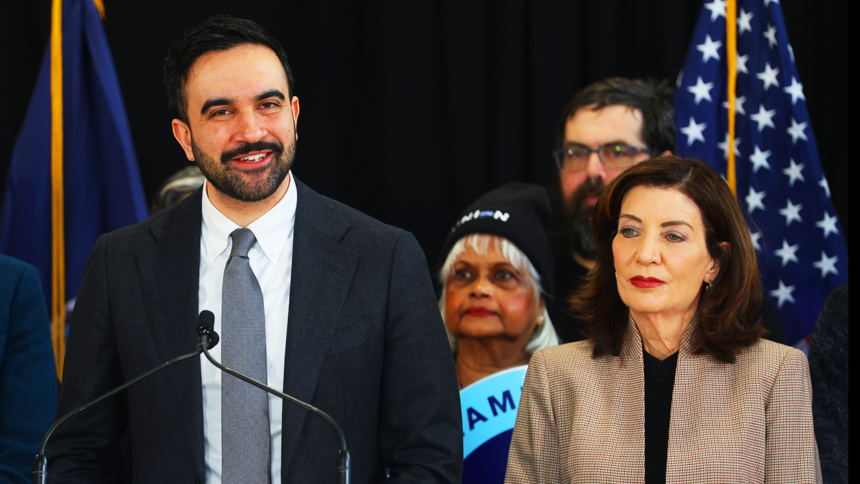
New York City Mayor Zohran Mamdani recently took to social media to champion this movement, adamantly framing the tax hike as part of a broader initiative to increase contributions from wealthier segments of the population. “When I ran for mayor, I said I was going to tax the rich. Well today, we’re taxing it,” he stated, emphasizing the point during a public event alongside Governor Kathy Hochul.
Hochul defended the proposed tax hike by pointing out disparities between full-time residents and part-time property owners who benefit from the city’s amenities but do not contribute proportionally to its fiscal landscape. “The property value of homes like that is driven by everything New York City has to offer. That’s why it’s a valuable place. But the people who own these pied-à-terres are not contributing in the same way that the 8.3 million New York residents do,” she stated.
This new tax initiative reflects a broader trend across the nation, showcasing a widening divide in tax policy responses. As states grapple with the pressing need to generate revenue and the challenges of maintaining economic competitiveness, the growing contrast between red and blue states becomes increasingly apparent. The delicate balance of fostering an environment conducive to investment and ensuring that tax burdens do not disproportionately affect certain populations remains a critical issue on the agenda.