A potential jet fuel shortage in Europe and Asia, exacerbated by the ongoing conflict in Iran and the effective blockade of the Strait of Hormuz, is poised to disrupt global travel significantly in the coming weeks. As the summer travel season approaches, experts warn of impending flight cancellations and soaring airfares if oil supplies do not resume.
Fatih Birol, Director of the International Energy Agency (IEA), disclosed that Europe may only have about six weeks’ worth of jet fuel remaining, prompting concerns over what he termed the “largest energy crisis” facing the global economy. Traditionally, many European countries maintain several months’ supply of jet fuel, but current geopolitical tensions have thrown this stability into turmoil.
Jet fuel, a kerosene-based oil product essential for airline operations, constitutes roughly 30% of airlines’ operating expenses. Since the onset of the Iran conflict, jet fuel prices have nearly doubled. According to Amaar Khan from Argus Media, the closure of the Strait of Hormuz—a vital transit route responsible for around 40% of Europe’s jet fuel imports—has left European nations on the brink of significant supply shortages.
While airlines have mainly assured customers about their fuel supplies, rising costs have already led some carriers to increase fees for checked baggage and other services. Moreover, a limited number of airlines have begun cutting flights, hinting that aspects of air travel including scheduling and route flexibility may soon be affected.
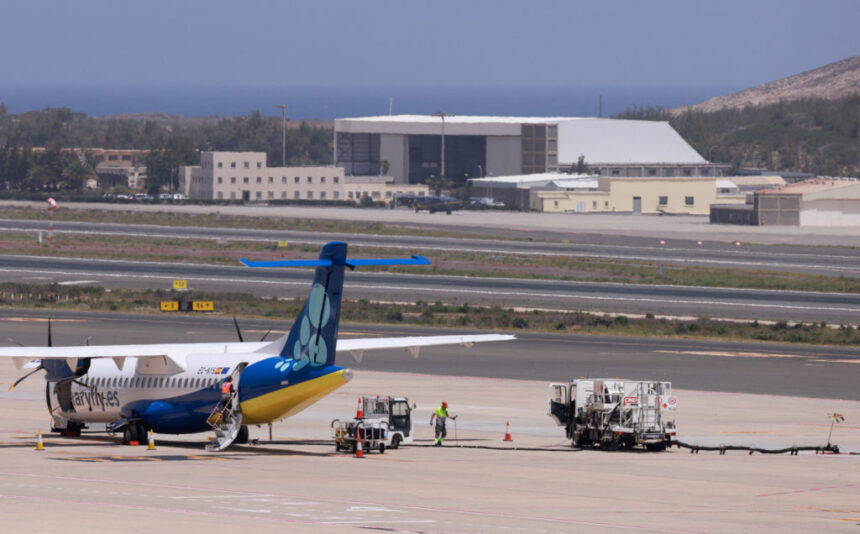
The logistics of jet fuel supply are complex. Refineries convert crude oil into jet fuel, which airlines procure on a large scale, much like gasoline for vehicles. The fuel is transported via ships and pipelines and stored at airports; however, availability can vary depending on individual airlines’ reserves. Even if one airline is facing shortages, others may have sufficient supplies, though this could lead to higher ticket prices overall.
Reports indicate that several European countries now have less than 20 days of fuel supply, with physical shortages anticipated if reserves dip below 23 days. The situation is exacerbated in the Asia-Pacific region, where there is heavy reliance on Middle Eastern oil, while U.S. oil production has afforded it comparatively greater stability in jet fuel availability.
Recent data suggests that the global oil market is losing an estimated 10 to 15 million barrels of oil daily due to the strait’s closures. This reduction threatens to disrupt refinery operations in both Asia and Europe, even as the IEA has released emergency reserves that may not have immediate effects on market dynamics.
Travelers should brace for more than just elevated airfares—experts note that airlines are likely to face challenges in network planning, which could disrupt traditional scheduling patterns. As the situation evolves, there may be fewer low-fare options available, along with increased volatility in flight schedules.
International carriers such as KLM and easyJet have acknowledged rising costs but report that they are not currently facing shortages of jet fuel. However, KLM plans to cut about 160 flights next month due to elevated kerosene costs, a move that points to the financial pressures airlines are experiencing.
U.S. carriers, including Delta Air Lines, remain vigilant about potential supply issues in Europe but do not foresee immediate operational impacts. Nevertheless, they, along with other international airlines, have started to pass on additional costs to consumers through increased fees and fare hikes, reflecting the broader changes in the market.
United Airlines’ CEO recently outlined the significant financial implications of sustained high fuel prices, which could contribute an estimated $11 billion to operational costs annually. As carriers like Cathay Pacific and Air India have already raised fuel surcharges, other airlines are likely to follow suit as the summer season approaches, compounding the challenges faced by travelers and the industry alike.