Tickets for the upcoming Bulwark Live: California shows will be available for purchase today at noon Eastern Time. Although the host will not be attending the tour, he assures attendees that his close friends Sarah, Tim, and Sam Stein will be taking the lead, promising a series of events that are not only entertaining but also uplifting. The excitement surrounding these shows is palpable, particularly for fans in Southern California, who are encouraged to secure their spots without hesitation.
In a notable programming update, at 12:30 p.m. Eastern Time, the host will join economist Catherine Rampell for a live discussion on Finances via Substack and YouTube, addressing the current challenges facing the American economy. The economic landscape, reported to be deteriorating, is marked by significant developments in the oil market. Recently, the country experienced the largest oil shock in history, leading to stagnated job growth and a rise in unemployment figures. While inflation remains manageable, it persists nonetheless.
Compounding these woes, a recent article from the Financial Times highlights the critical situation surrounding oil supplies. As of April 13, the last oil tankers to navigate the Strait of Hormuz prior to the onset of conflict in Iran are set to reach their destinations shortly. Analysts warn that this could signal impending physical shortages in Europe and the United States. The anticipated delivery of these final cargoes will intensify a supply shock that is already affecting Asia. Although Asian refineries are reacting by purchasing unprecedented amounts of crude oil, the repercussions are expected to extend to some of the wealthiest countries in the world. Analyst Nic Dyer has alerted that shortages might soon impact Western nations as the influx of oil bound for Asia will subsequently limit supplies available in the Atlantic basin.
The Financial Times article, published two days later, poses a thought-provoking question: How do we reconcile these seemingly contradictory developments? The host proposes an intriguing theory, drawing on the past decade’s political narratives surrounding former President Trump and the “Madman Theory” of foreign policy. While this theory posited that an unpredictable president could effectively elicit desirable responses from rival states, recent events concerning Iran indicate this may not hold true in foreign affairs.
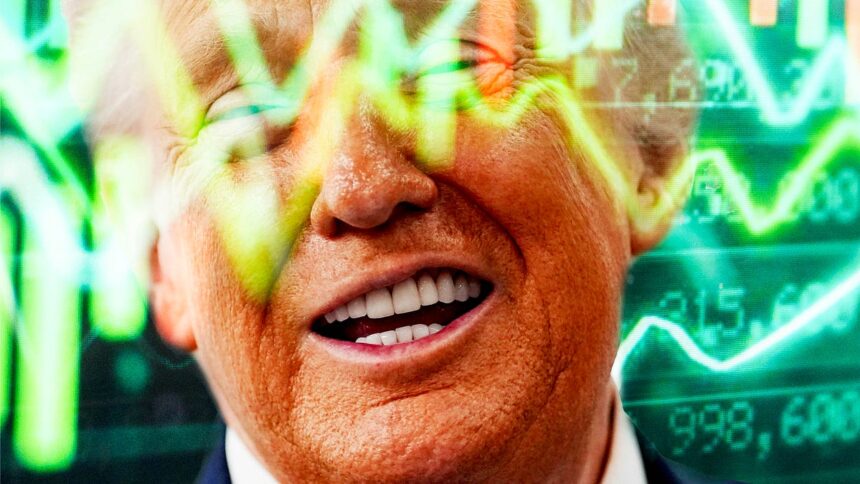
Instead, the host introduces an updated interpretation for the financial realm: a “Madman Theory of the Stock Market.” This hypothesis suggests that the inherent unpredictability of market conditions and geopolitical tensions may indeed have a unique and disorienting effect on investor behavior, thereby influencing market trends in unexpected ways.
Whether this theory will hold as more data emerges remains to be seen, but the current volatility in both global politics and the economy certainly provides fertile ground for such discussions.