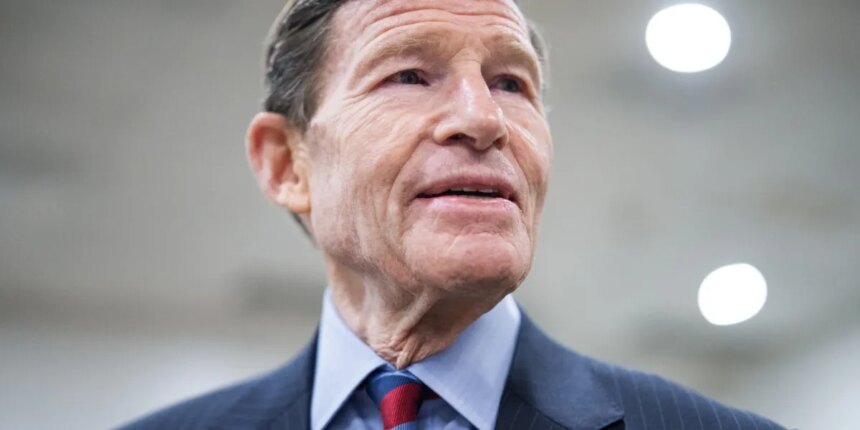
In recent developments, Congress has intensified its scrutiny of Binance, the world’s largest cryptocurrency exchange, particularly regarding its compliance with anti-money laundering regulations. Senator Richard Blumenthal (D-Conn.) reached out to the Justice Department and the Financial Crimes Enforcement Network (FinCEN) on Friday, expressing concerns over potential deficiencies in Binance’s measures to combat illicit financial activities.
Blumenthal’s letters highlight ongoing allegations that Binance has demonstrated inadequate practices in detecting and preventing money laundering. As part of a broader enforcement action in 2023, the U.S. government had mandated the appointment of two monitors to oversee Binance’s compliance measures following a significant settlement related to the exchange’s failure to maintain appropriate oversight on money-laundering and sanctions concerns. This settlement included a hefty fine of $4.3 billion, underlining the seriousness of the compliance issues at hand.
The appointed monitors, who report separately to both the Justice Department and FinCEN, began their oversight roles in 2024. Despite Binance’s attempts to project a responsible corporate image, the recent revelations concerning financial transactions linked to Iran have reignited questions regarding the exchange’s internal operations and their alignment with public assertions.
Blumenthal’s inquiry is particularly timely as it surfaces amidst claims that Binance terminated internal investigators who alerted management to over $1 billion in transactions associated with Iranian wallets. While Binance asserts that the dismissals were unrelated to the investigators’ findings, skepticism remains around the effectiveness of the company’s compliance initiatives. Requests for comments from Binance and its monitors have gone unanswered.
Furthermore, Blumenthal’s scrutiny coincides with reports suggesting that the Justice Department has paused its corporate monitorships, including one involving the international mining giant Glencore. In a judicial ruling earlier this year, a request to terminate the monitor on Glencore was granted, following a similar decision concerning Boeing. Critics of monitorships have expressed concerns about their efficacy and the burden they impose on corporations, suggesting that the oversight often fails to deliver tangible results.
Historical context highlights that many notable corporations have been subject to monitorships after legal infractions, including tech giants like Apple and financial institutions such as Deutsche Bank. As legislative inquiries continue and further scrutiny looms, the future of Binance’s operational compliance remains uncertain, and the implications could extend well beyond the cryptocurrency realm.