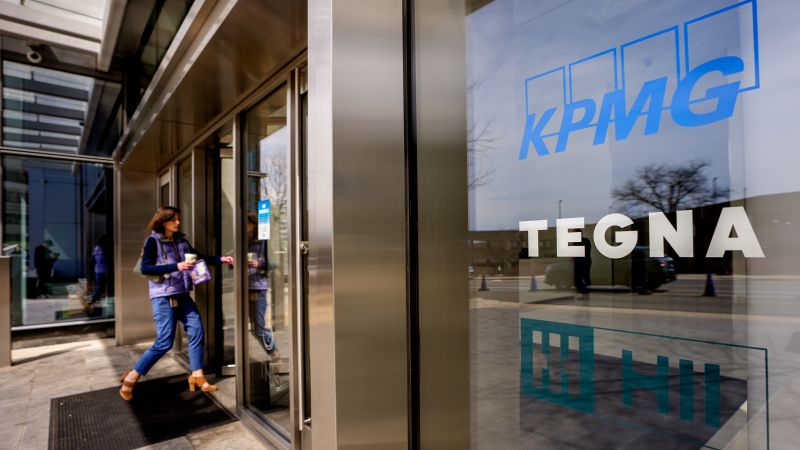
In a significant legal development, Nexstar’s acquisition of Tegna, a competing TV station owner, has been halted by a federal judge in California, raising uncertainties about the future of the deal. This judicial decision signals a crucial win for the Democratic state attorneys general, who had filed a lawsuit last month aimed at blocking the merger.
The case, brought to attention by state attorneys general and satellite TV provider DirecTV, centers on allegations that the Nexstar-Tegna merger would violate antitrust laws. US District Judge Troy Nunley emphasized in his ruling that the merger is “presumed likely to violate antitrust laws.”
In response, Nexstar defended the acquisition, describing it as a “pro-competitive transaction” intended to enhance local stations and bolster investments in journalism. The company announced its intention to appeal the decision and is prepared to present its case in the Ninth Circuit Court of Appeals. However, as the ruling stands, Nexstar is currently barred from integrating Tegna’s stations or exercising control over its management.
Prior to the latest ruling, Judge Nunley had already issued a temporary restraining order to freeze Nexstar’s acquisition efforts. The recent preliminary injunction further solidifies that both companies must remain in their current states until a trial can unfold.
California Attorney General Rob Bonta expressed satisfaction with the ruling, asserting that the merger is illegal and emphasizing the need to protect consumers and support local news. He articulated concerns that the merger would enhance Nexstar’s dominance in the local TV market, potentially jeopardizing the local news coverage and driving down competition.
The merger had been backed by President Donald Trump, who had initially sounded skeptical but later endorsed it as a measure to foster competition against what he termed the “Fake News National TV Networks.” Following his public support, the necessary regulatory approvals were granted shortly before the state attorneys general and DirecTV initiated their lawsuits, reflecting a significant divide between federal and state-level antitrust enforcers on the matter.
Bonta’s comments highlight the ongoing tension. “The federal government may have thrown in the towel, but we’ll keep fighting for consumers, for workers, for affordability, and for our local news,” he stated.
Judge Nunley’s decision follows a significant win for state attorneys general in a separate high-profile case against Live Nation and Ticketmaster. Despite federal involvement and intervention, state-level antitrust lawyers prevailed in securing a favorable ruling against the entertainment giant, underscoring a growing trend of state attorneys general taking the lead in challenging perceived monopolistic practices.
As the situation continues to evolve, Bonta and other state AGs are also scrutinizing Paramount’s pending acquisition of Warner Bros. Discovery, suggesting a broader commitment to investigating mergers that may impact competition and consumer choice in the media landscape.