Bryan Vander Dussen, a former dairy farmer, has ventured into new territory by transitioning from dairy to selling farm-raised beef, and more recently, creating tallow balm from organ fat in his kitchen. This latest endeavor is part of a growing trend where animal-derived ingredients are being repurposed for skincare. Consumers are increasingly drawn to these products, but not without challenges, such as avoiding unwanted scents typically associated with beef.
“To counter the potential beef smell, we add scents like lavender and wild orange,” Vander Dussen explained, reflecting on the consumer feedback aimed at seeking natural, effective alternatives to synthetic products. Across various platforms, including social media and high-end spas, animal-based skincare products—from beef tallow moisturizers to innovative offerings like salmon sperm facials—are gaining traction, driven by a shift towards more natural ingredients and concerns over synthetic chemicals.
Sociologist Norah MacKendrick of Rutgers University suggests this trend aligns with the rising embrace of animal-based foods. The emphasis on avoiding chemicals in personal care items has motivated some consumers to seek out animal-derived products, a sentiment echoed by many who are turning away from the chemical-laden alternatives prevalent in the market.
Consumers like Natalee Keenan, 31, have found solace in natural skincare solutions. She initially felt that tallow was heavy but ultimately discovered a lighter whipped version scented with coconut that suited her needs. Reviews of these products indicate a burgeoning interest; terms like “beef tallow for skin” have seen a marked increase in searches, demonstrating a growing curiosity in these unconventional ingredients.
The beauty industry had previously distanced itself from animal-derived components, primarily due to animal welfare concerns and health risks, notably surrounding mad cow disease. Yet, a resurgence of interest in sustainably sourced, natural alternatives suggests that tallow and similar products may be making a comeback. Jamie Moody, founder of Sonoma Mountain Beef, supports this notion and emphasizes the importance of reducing waste in the process.
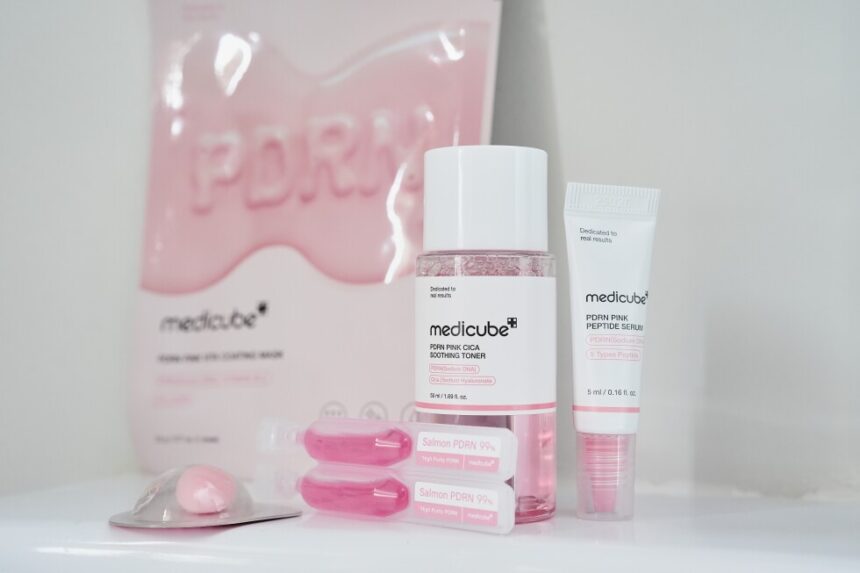
Spa owner Kelly Pratt in Tampa, Florida, noted an influx of clients requesting unique treatments such as salmon sperm DNA facials, claiming these treatments aid in skin repair and inflammation reduction. Such services come with a higher price point, indicating a willingness among consumers to invest in what they perceive as more effective skincare.
However, experts urge caution. Dermatologist Dr. Angelo Landriscina warns that while animal byproducts can appear sustainable, medical evidence supporting their effectiveness is lacking. Similarly, Seattle dermatologist Dr. Heather Rogers emphasizes that consumers should remain vigilant, as some tallow products can become rancid, and manufacturers often add fragrances that may irritate the skin.
Corrin Dial, who began crafting tallow balms for her family, points to a growing consumer preference for transparency in skincare. Many are moving toward known ingredients to avoid harmful chemicals, particularly mothers concerned about the effects of synthetic substances on children’s health.
MacKendrick highlights this trend among mothers, who play a vital role in household purchasing decisions, especially for personal care items. The push towards animal-based cosmetics is perhaps a reflection of broader societal anxieties regarding health and safety.
While the popularity of products derived from animal sources continues to rise, experts encourage consumers to consider the evidence behind their effectiveness and potential drawbacks. The beauty industry is often compared to fashion, where trends come and go. As consumers navigate this evolving landscape, a thoughtful approach grounded in solid scientific understanding remains essential in skincare choices.