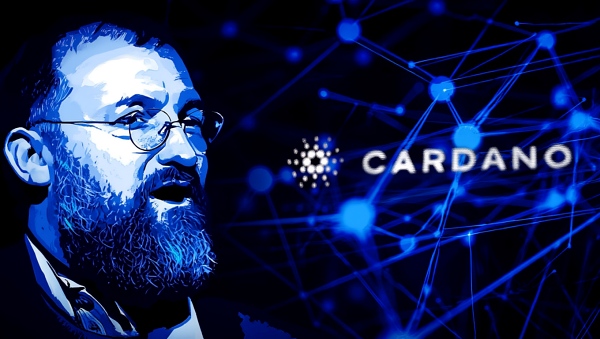
Cardano founder Charles Hoskinson has drawn a distinct line between the newly introduced Midnight’s NIGHT token and Ripple’s XRP, emphasizing key differences in their value creation and distribution models. In a recent interview on “The O Show,” recorded on April 18, Hoskinson elaborated on these differences, which center on token ownership structure and the benefits of network growth for users.
Hoskinson acknowledged XRP’s growing recognition but raised alarms regarding its structural framework, which he believes undermines fair value distribution to token holders. He pointed out that Ripple maintains substantial control over XRP’s supply. The control allows Ripple to utilize XRP as a funding mechanism for external ventures like mergers and acquisitions, without providing any direct financial entitlements to XRP holders from these business transactions.
This lack of connection means that when Ripple makes strategic acquisitions, such as Hidden Road, or unveils new products, XRP holders do not see any corresponding financial benefits. Furthermore, Hoskinson criticized XRP for lacking mechanisms like staking or revenue-sharing, suggesting its value proposition does not adequately reward holders as the network expands.
In contrast, Hoskinson positioned Midnight’s NIGHT token as being fundamentally user-centric. He highlighted that the token economy is intertwined with active user participation, suggesting a more equitable model for distributing value as the network grows.
He further explained the distribution mechanisms, noting that the Midnight Foundation had allocated its total supply to users across eight different blockchains, including Cardano and XRP. However, a snapshot revealed that only a subset of users who held at least $100 worth of the supported tokens claimed their NIGHT tokens. This was markedly different from XRP, where approximately 80% of the total pre-mined supply—amounting to 100 billion tokens—was initially allocated to Ripple itself.
The renewed emphasis on these differences appears to reignite tensions between Hoskinson and supporters of XRP, following a history of disputes stemming from Ripple’s ongoing legal challenges. Previous attempts to mend relations included ideas from Hoskinson to incorporate XRP support into the Lace wallet and to bolster XRP’s presence in decentralized finance (DeFi) initiatives.
However, friction has resurfaced as Hoskinson publicly criticized Ripple’s CEO, Brad Garlinghouse, for advocating the CLARITY bill—a legislative effort that he claims favors XRP and established tokens, potentially classifying new projects as securities by default. Hoskinson’s recent comments are likely to prolong the ongoing disputes between the two factions, as both sides continue to navigate the evolving landscape of cryptocurrency regulation and value distribution.