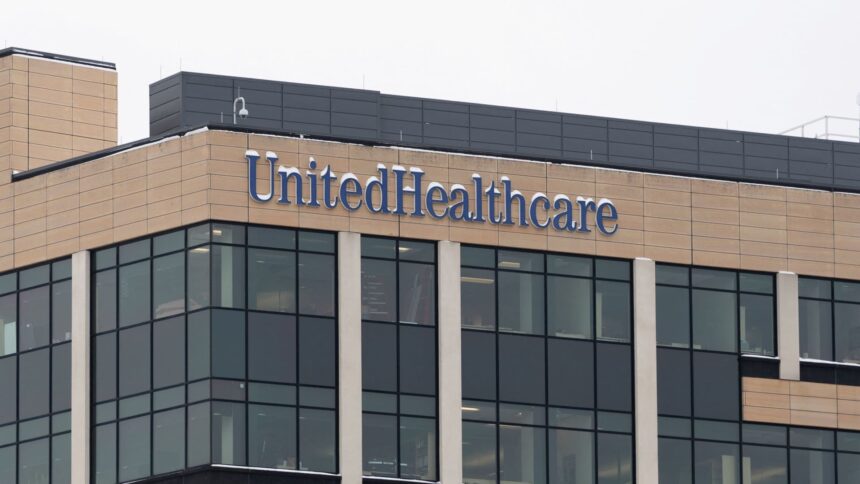
UnitedHealth Group has reported a strong performance for the first quarter of 2026, with earnings exceeding analyst forecasts and an optimistic revision of its profit outlook for the year. The company, recognized as the largest private insurer in the U.S., announced expected adjusted earnings of more than $18.25 per share, an increase from the previous forecast of over $17.75 per share. This growth is underpinned by a strategic focus on managing high medical costs and improving operational efficiency, reflecting what the company described as efforts to “right-size across the enterprise.”
In its earnings report, UnitedHealth revealed a net income of $6.28 billion, or $6.90 per share, a slight increase compared to $6.29 billion, or $6.85 per share, a year earlier. After adjusting for various items, including business divestitures and restructuring costs, the earnings per share hit $7.23, surpassing the anticipated $6.57. Revenue also rose, reaching $111.72 billion versus the expected $109.57 billion.
The organization is undergoing a significant transformation led by a new management team tasked with executing a comprehensive turnaround plan. Key components of this strategy involve downsizing membership, divesting the UK operations of its Optum health-care unit, investing heavily in artificial intelligence, and streamlining access to care. These actions aim to enhance transparency and restore both profitability and the company’s reputation, which has faced challenges over the past couple of years.
Importantly, UnitedHealth has demonstrated a stronger grasp on escalating medical costs—an ongoing issue affecting many insurers. The company reported a medical benefit ratio of 83.9% for the first quarter, a marked improvement from 84.8% in the same timeframe last year. This lower ratio indicates that UnitedHealth managed to collect more in premiums compared to benefits paid out, contributing to enhanced profitability. Analysts had projected a ratio of 85.5% for this quarter, further illustrating UnitedHealth’s efficient cost management.
In its release, the company attributed this positive financial performance to effective strategies for managing medical costs, along with the release of reserves set aside for unprofitable Optum contracts, though it acknowledged that the overall medical costs remain “consistently elevated.”
CEO Stephen Hemsley emphasized UnitedHealth’s commitment to simplifying and modernizing healthcare for its members and providers, aiming to deliver greater value, affordability, and transparency.
The report’s timing is notable, coming shortly after the Trump administration finalized a significant payment rate increase for Medicare Advantage plans for 2027, positively impacting UnitedHealth and similar health insurer stocks. The company’s proactive stance in navigating the changing landscape of healthcare continues to position it favorably in the market.