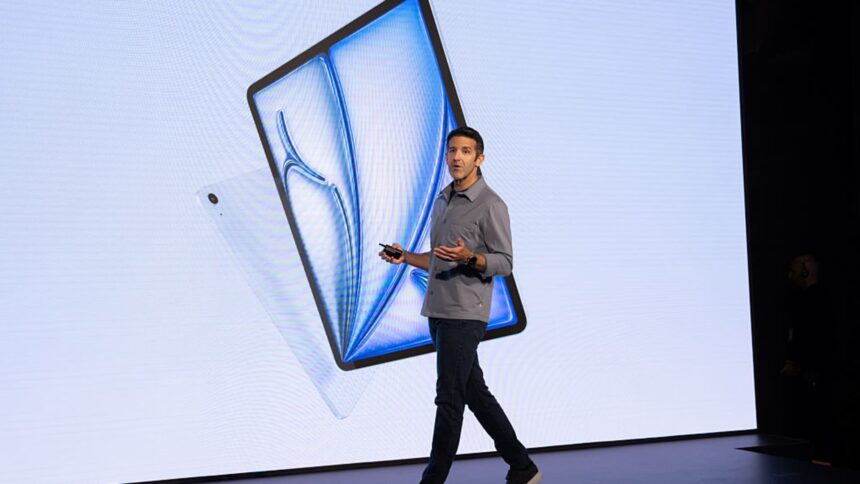
Apple Inc. is witnessing a significant leadership transition as Tim Cook steps down from his role as CEO, transitioning to the position of executive chairman. Effective September 1, John Ternus, the company’s senior vice president of hardware engineering, will take the reins. Though this leadership change has elicited a sense of melancholy, particularly among analysts like Jim Cramer, it hasn’t diminished optimism about Apple’s prospects.
Ternus’s long history with the tech giant, spanning over two decades since his arrival in 2001, positions him well for this new role. He has played a pivotal role in the launches of major products, including the iPhone, iPod, iPad, and Apple Watch. “This new fellow really understands hardware, which they have to have,” Cramer noted in a recent meeting, highlighting Ternus’s involvement in the development of popular items such as AirPods and the redesign of Mac computers.
Wall Street appears to share this positive outlook, with multiple firms expressing confidence in Ternus’s qualifications. Melius Research emphasized his engineering background, stating it aligns perfectly with Apple’s focus on delivering exemplary hardware and customer experience. Bank of America has taken it a step further, suggesting that under Ternus, Apple may be poised to enter a new era of devices, particularly projecting 2027 as a potentially landmark year for the company.
While Ternus faces the pressure of following in Cook’s footsteps, the legacy of Cook’s dynamic leadership is undeniable. Since taking charge in 2011, Cook transformed Apple from a $350 billion company to a colossal $4 trillion entity, with stock prices soaring approximately 1,900%. His strategic focus on expanding Apple’s services segment into a high-margin revenue source has significantly impacted the company’s financial success.
The praise for Cook extends beyond analysts; even political figures like former President Donald Trump have acknowledged his exemplary leadership. Cook’s adept navigation of economic challenges, including previous tariff threats, and his commitment to U.S. manufacturing are all commendable aspects of his tenure.
As Ternus gears up to take over, he inherits numerous initiatives designed to advance Apple’s technological frontier, including an anticipated AI upgrade for Siri and discussions around a foldable iPhone. His leadership style appears aligned with Apple’s customer-centric philosophy, mirroring Cook’s approach. Cook previously noted in a communication to customers, “I open my email, and I read notes I received from Apple’s users all over the world.” Ternus seems to resonate with this ethos of prioritizing user experience and quality.
At just 50 years old, Ternus could have a lengthy tenure ahead, following a path similar to Cook, who began his CEO journey at age 65 and has since remained a steady presence at the helm. Cramer remains optimistic about Ternus’s future as CEO, suggesting he may elevate Apple to even greater heights.
As Apple prepares for this significant transition, the tech community watches closely. While Cook’s tenure is celebrated, the focus now shifts to Ternus and the innovative direction he will steer the company toward in this new chapter.