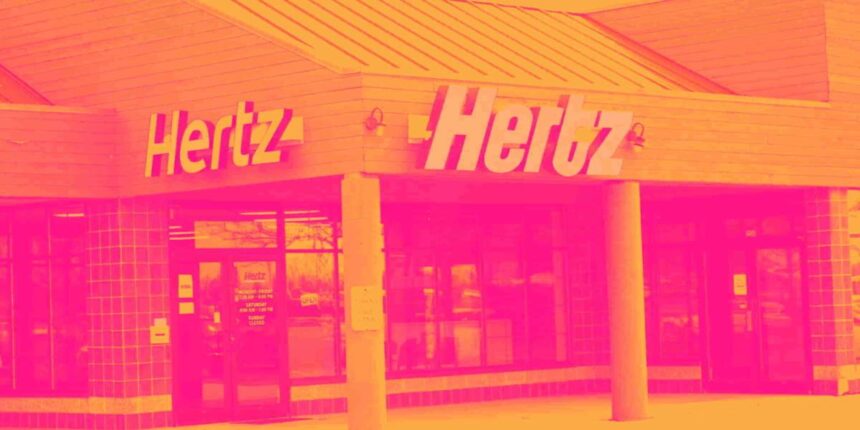
Shares of Hertz, the global car rental giant, experienced a significant drop of 8.6% in afternoon trading, following a downgrade by Northcoast Research from Neutral to Sell, with a new price target set at $5. The downgrade came amid growing concerns about the company’s financial stability and competitive standing in the market.
Analysts pointed to challenges such as weakening pricing power and a robust used-car market that negatively impacts the resale values of Hertz’s fleet. In their analysis, Northcoast also highlighted the company’s alarming financial trajectory, noting a projected net loss of $747 million for the full year 2025. This grim forecast has raised questions about the sustainability of Hertz’s business model going forward.
The stock’s volatility has been pronounced, with Hertz experiencing 53 price fluctuations greater than 5% over the past year. Today’s decline suggests that investors perceive the latest downgrade as a significant issue, even if it does not fundamentally alter long-term views on the company. Just two weeks prior, Hertz’s stock had risen by 10.2% when Cox Automotive reported a substantial increase in used car prices, reaching levels not seen since mid-2023. The Manheim Used Vehicle Value Index indicated a 6.2% year-over-year rise for March 2026, which is positive news for Hertz since higher resale values can mitigate one of its largest expenses—fleet depreciation.
Recent events have also lent some support to the rental market. Major delays at airports have driven more travelers to consider car rentals as an alternative. Staffing shortages at the Transportation Security Administration (TSA) have resulted in long security lines across the country, pushing some passengers to forgo flights in favor of rental cars. This growing demand has fostered optimism regarding Hertz’s potential to capitalize on increased bookings.
Despite the recent volatility, Hertz’s shares have appreciated by 25.8% since the start of the year. However, trading at $6.57 per share, the stock is still down 24.1% from its 52-week high of $8.65, which was recorded in April 2025. Investors who purchased $1,000 worth of Hertz shares at its IPO in June 2021 would find their investment has dwindled to approximately $243.24 today.
As the market reacts to Hertz’s recent turmoil, questions linger about whether this might present a buying opportunity for investors willing to take a risk in the face of skepticism surrounding the company’s future performance.