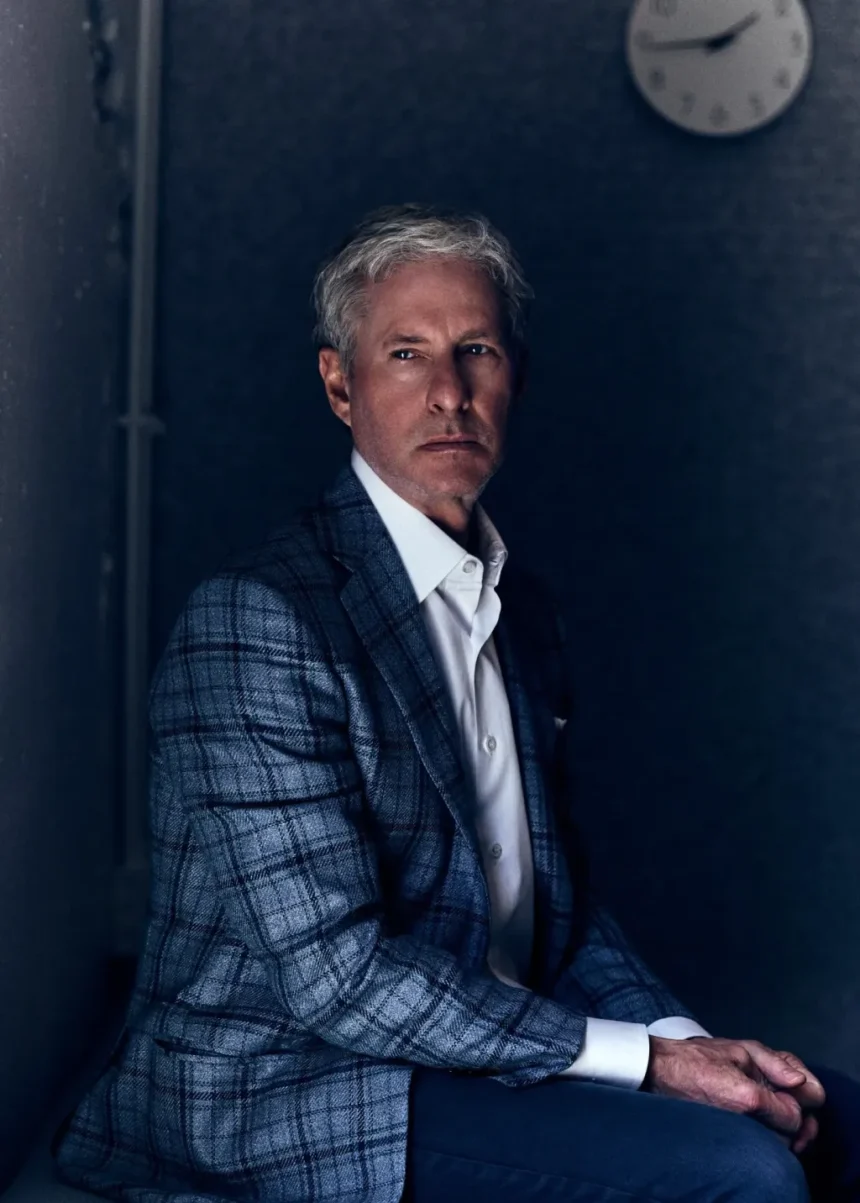
Chris Larsen, a San Francisco native and the co-founder of Ripple Labs, is at the forefront of a contentious political battle in his city. Born to modest means, with a father who was an aircraft mechanic and a mother who worked as a freelance illustrator, Larsen has become a billionaire entrepreneur with an estimated fortune of $13 billion. His rise has positioned him as the face of a newfound billionaire resistance against labor initiatives.
In June, San Francisco voters will weigh in on a proposed significant increase to the city’s gross-receipts tax for large businesses. This proposed tax, known as the Overpaid CEO Act, aims to impose an eight-fold tax increase on companies whose highest-paid executives earn at least 100 times the salary of the median worker. Supporters believe the measure could generate over $250 million annually, which could counterbalance cuts from federal spending and help rectify San Francisco’s structural deficit. The initiative primarily targets major corporations, including tech giants like Salesforce and retail behemoths like Target.
Larsen has expressed concern about the implications of this and other progressive tax measures, particularly in light of the recent election of a democratic socialist mayor in New York and the increased scrutiny on wealth across the nation. He contends that moves like the proposed tax could hinder efforts to cultivate a business-friendly environment in San Francisco. To counter the proposal, he and other local business leaders are advocating for a competing measure that seeks to lower existing taxes, which had already been reduced in a previous voter decision aimed at attracting businesses post-pandemic.
Following the election of business-friendly Mayor Daniel Lurie, who has familial ties to the Levi-Strauss brand, there were hopes for a reconciliation between labor and corporate interests. Lurie aimed to bridge divides, yet the push for the CEO tax has disrupted this vision. Recent discussions aimed at reaching a compromise have been met with resistance from both sides, illustrating deep-seated tensions. Larsen’s connections to key business figures and political leaders underscore a robust networking effort among entrepreneurs opposing the tax, initiated during meetings that ended in frustration.
Larsen has advocated for businesses to proactively confront union demands, arguing for stronger resistance against what he terms “job-killing ideas.” He embodies a complex political identity, having supported Democratic candidates while also contributing to initiatives that align with business interests across the spectrum. His commitment to political engagement is evident, with significant financial contributions to various pro-business causes. Recently, he has also funded measures aimed at improving local infrastructure while opposing the CEO tax, demonstrating a dual strategy of bolstering civic projects while battling against taxation changes that he views as detrimental.
Critics, including some public officials, argue that billionaires like Larsen, who can afford to influence local politics substantially, should also contribute equitably through taxes. They assert that the growing wealth gap has necessitated such fiscal measures to address crucial public service funding needs. The dynamics between labor groups and business entities in San Francisco remain fraught, with both sides entrenched in their positions.
Lurie has acknowledged the challenges posed by the tax debate, asserting that it highlights systemic issues that need resolution for the benefit of everyday citizens. As the mayor attempts to navigate the complexities of labor relations while tackling fiscal deficits, business leaders like Larsen continue to mobilize resources to influence policy, showing no signs of retreat in a contentious political landscape. As tensions escalate, it becomes increasingly evident that the balance of power between corporate interests and labor rights in San Francisco is poised for an ongoing and intense struggle.