In a strategic move aimed at pressuring the Iranian regime, the U.S. Treasury Department has announced the freezing of over $344 million in cryptocurrency linked to Iran. This action is part of a larger initiative known as Operation Economic Fury, designed to tighten the noose on Iran’s access to global revenue streams and significantly disrupt its economy, particularly its oil exports.
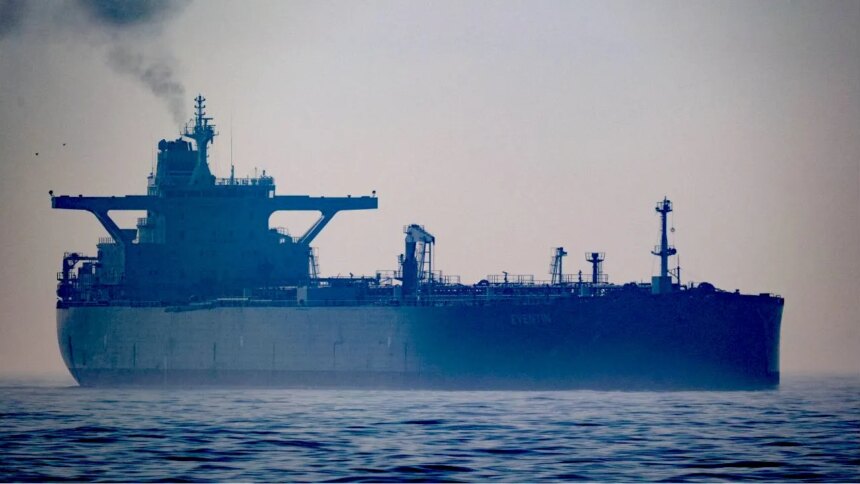
Treasury officials have indicated that this latest round of sanctions is a continuation of the administration’s “maximum pressure” strategy, which has already seen billions of dollars in potential oil revenue thwarted in recent days. Treasury Secretary Scott Bessent has underscored the severity of the situation, warning that Iran’s primary oil export hub, Kharg Island, is approaching its storage capacity. This impending crisis is expected to force the regime to cut back on oil production, leading to an estimated loss of $170 million per day and potentially causing lasting damage to Iran’s critical oil infrastructure.
Bessent remarked on the ongoing commitment of the Treasury to exert maximum pressure, cautioning that any individual, vessel, or entity involved in facilitating illicit financial flows to Tehran would face severe consequences under U.S. sanctions. The measures taken are not solely focused on crippling Iran’s oil revenue but also aim to target the funding streams associated with terrorism and regional destabilization efforts.
The campaign has resulted in intensified scrutiny of Iran’s financial networks, including its international shadow banking system and procurement operations for weapons. Officials highlighted the importance of disrupting the “shadow fleet” of tankers that facilitate the concealment of oil origins. This approach has successfully eliminated tens of billions of dollars in revenue potentially earmarked for terrorist financing.
Moreover, the Treasury is zeroing in on independent “teapot” refineries in China, particularly those in Shandong Province, which have been cited as key players in the continued purchase of Iranian crude oil. The U.S. has also ramped up efforts to share intelligence with international partners, including China, Hong Kong, the UAE, and Oman, detailing banks that may be enabling Iranian activities. These partners have been warned that ongoing cooperation could lead to secondary sanctions.
As part of the broader pressure campaign, the administration is prepared to extend sanctions to various sectors, including airlines, shipping networks, and financial institutions that maintain ties with the Iranian economy. The dual approach of targeting traditional sanctions evasion tactics, along with the new dynamics introduced by digital assets, continues to evolve in the U.S. efforts to curtail Iran’s financial operations on the global stage.