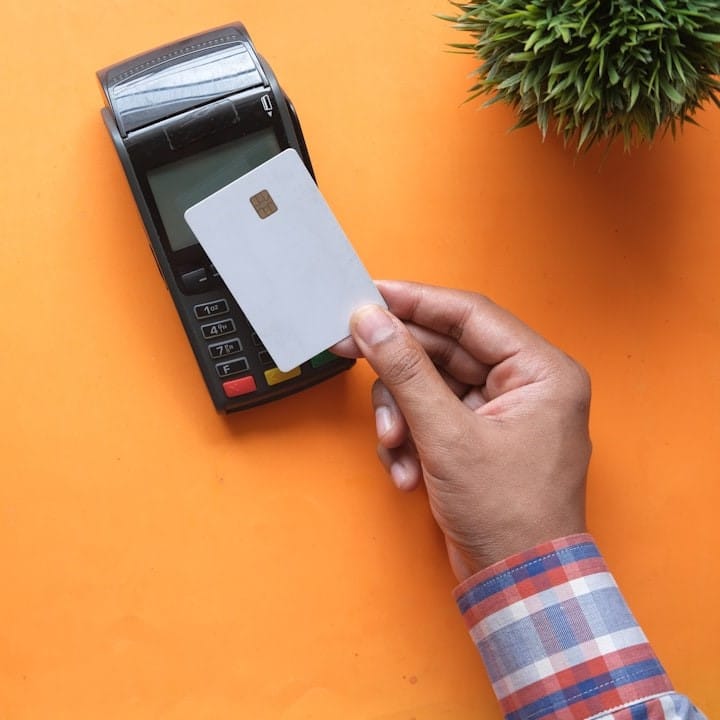
In a significant development for the integration of digital currencies into everyday commerce, MoonPay, a cryptocurrency platform based in New York City, unveiled its MoonAgents Card early Friday. This innovative Mastercard enables holders and artificial intelligence agents to spend stablecoins at any e-commerce retailer accepting Mastercard, marking a notable advancement in agentic commerce.
The MoonAgents Card, which operates through a partnership with the UK-based technology firm Monavate, allows users to directly spend from their on-chain cryptocurrency holdings. Notably, the transaction process involves a conversion to fiat currency at the time of each purchase, streamlining the shopping experience for users accustomed to digital assets.
What sets the MoonAgents Card apart from existing cards linked to stablecoin assets is its incorporation of AI agents within its technological framework. This feature empowers cardholders to execute transactions themselves or delegate authority to AI agents to manage their spending. According to MoonPay, users can authorize transactions through a smart contract that grants access to their stablecoin balance. This mechanism ensures that each transaction is processed efficiently, with Monavate overseeing the real-time on-chain funding.
MoonPay emphasizes the immediacy of their transactions; should a purchase be declined, funds are automatically returned to the user’s wallet. The company boasts a substantial user base of over 30 million individuals who utilize their various services, along with more than 500 corporate clients benefiting from the platform.
In a related sector advance, Slash Financial Inc., a banking platform situated in San Francisco, has also introduced Global Cards, further indicating a growing trend in the financial landscape. Supported by Rain, a provider specializing in card technology for stablecoins, Global Cards aims to facilitate transactions involving digital currency for businesses, particularly within the realm of stablecoin exchanges.
The emergence of such financial instruments underscores a broader movement towards the acceptance of cryptocurrencies in traditional commerce, paving the way for an increasingly digital future in financial transactions.