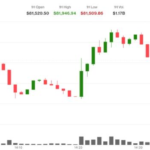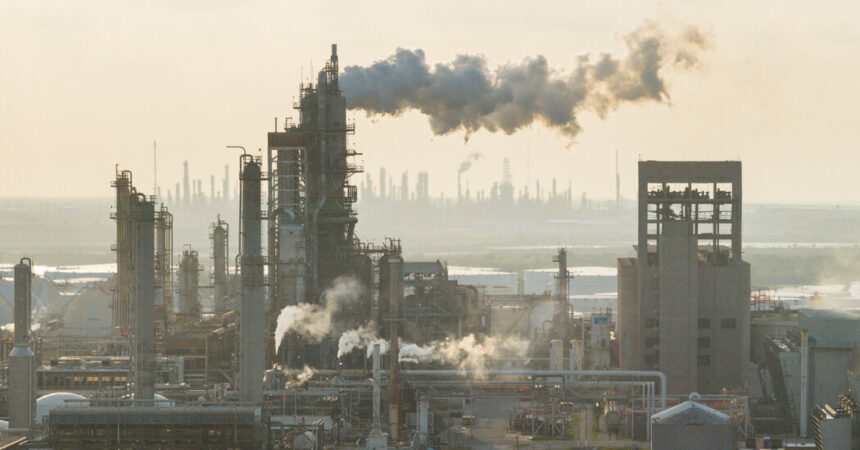
Oil prices saw a significant decline on Wednesday, while stock markets experienced a uptick as investors reacted to President Trump’s recent decision to pause a newly initiated U.S. operation aimed at escorting commercial vessels through the strategically critical Strait of Hormuz. In announcing this suspension, Trump highlighted what he described as “great progress” toward a potential peace agreement with Iran, which contributed to a wave of optimism among investors regarding the prospect of a diplomatic resolution to the ongoing tensions.
Despite this positive outlook regarding international relations, the impact of the conflict continues to be felt domestically. Average gasoline prices in the United States surged by 5 cents per gallon, reaching the highest levels since the onset of the conflict. This increase serves as a stark reminder of the economic consequences faced by American consumers as geopolitical tensions affect oil markets.
In a notable development coinciding with Trump’s announcement, China’s Foreign Minister Wang Yi was engaged in discussions with Iran’s Foreign Minister in Beijing. This diplomatic dialogue, reported by China’s official Xinhua news agency, underscores China’s role as a significant buyer of Iranian oil. With ongoing tensions between the U.S. and Iran, China’s influence may play a pivotal role in encouraging Tehran to seek stability and maintain a constructive relationship with Washington, particularly in light of the anticipated summit next week between President Trump and Chinese President Xi Jinping.
As the situation evolves, market reactions and international diplomatic maneuvers will be closely monitored, especially in the context of oil price fluctuations and their implications for consumers and the broader economy.