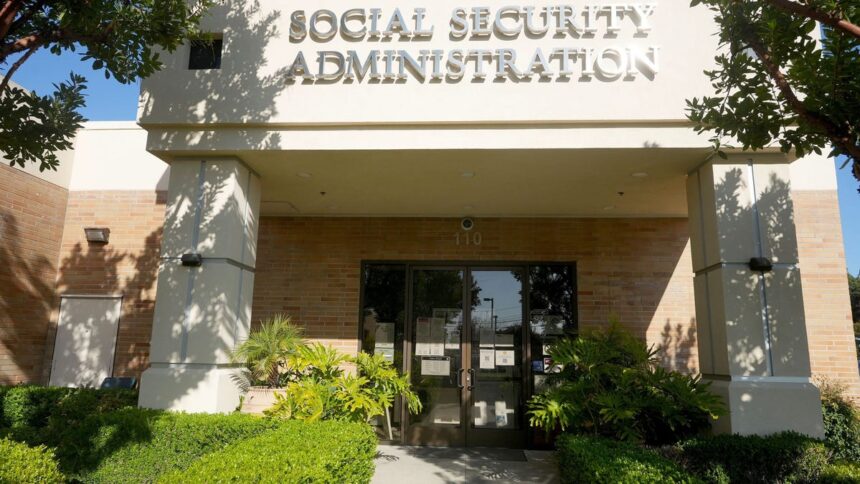
As the Social Security program marks its 90th anniversary, it stands at a crucial financial crossroads. The Social Security Administration (SSA) has faced a persistent cash flow problem, with expenses consistently exceeding revenue from payroll taxes. This trend has raised concerns regarding the program’s long-term sustainability and has prompted a sense of urgency among lawmakers to address the looming financial deadlines.
This week, the SSA is set to distribute the first Social Security payments for September. However, some recipients may notice a significant change in the amount they receive. In a move that has garnered attention, the SSA announced earlier this year that it would begin withholding up to 50% of monthly checks for individuals who were previously overpaid. This policy, introduced in April 2025, aims to recover funds distributed in error.
Payments for beneficiaries born from the 1st to the 10th of September will be processed on September 10, aligning with the SSA’s established payment schedule. Generally, Social Security benefits are issued on Wednesdays, and the schedule varies based on birthdates. Recipients born between the 11th and 20th receive their payments on the third Wednesday, while those born after the 20th are paid on the fourth Wednesday of each month.
For individuals receiving Supplemental Security Income (SSI), payment schedules follow a different timeline. Since September 1 falls on Labor Day, SSI payments were issued on August 29. Moving forward, SSI checks will be distributed according to the following schedule:
– October 1, 2025: Payment for October
– October 31, 2025: Payment for November
– December 1, 2025: Payment for December
– December 31, 2025: Payment for January 2026
– January 30, 2026: Payment for February 2026
– February 27, 2026: Payment for March 2026
As beneficiaries receive their payments, the evolving dynamics of Social Security financing continue to be a pressing issue. With overpayment recovery procedures in place, many recipients may feel the impact of the agency’s efforts to ensure fiscal responsibility while navigating a complex landscape of benefits administration. Financial decisions made by Congress in the near term will likely influence the future of this vital program, which has provided essential support to millions across the country for nearly a century.