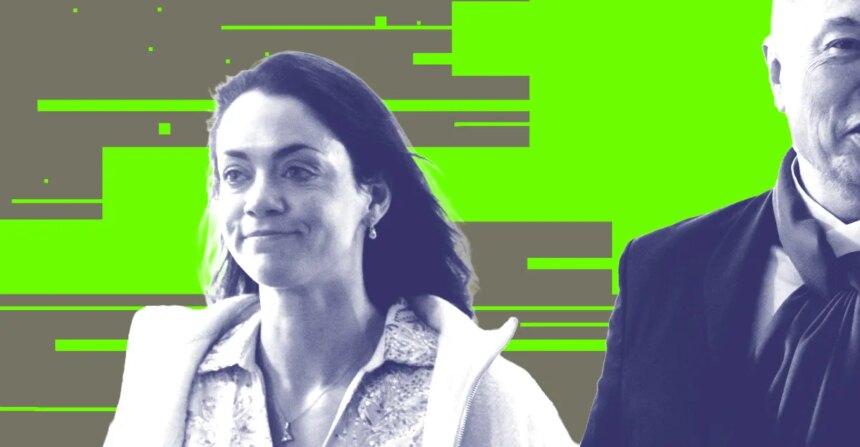
In a dramatic courtroom session of the ongoing Musk v. Altman trial, Shivon Zilis, the mother of four of Elon Musk’s children, took the stand, shedding light on her complex relationship with the tech mogul and her role at OpenAI. Zilis, who worked across Musk’s extensive AI portfolio, including Tesla, Neuralink, and OpenAI, testified under oath, revealing the intricacies of her involvement with Musk and the deep-rooted connections that bind them.
Zilis clarified that while she was not Musk’s “chief of staff,” she began collaborating with him in 2017, finding “bottlenecks” and proposing solutions, often working grueling hours totaling 80 to 100 a week. Their relationship, which began with what Zilis called a “one-off” romantic encounter, transformed into both a personal and professional partnership. The revelation that Musk fathered her twins, born in 2021 while she held a position on OpenAI’s board, created a stir; she kept this information hidden even from her family until it became public knowledge.
Her testimony revealed that when OpenAI president Greg Brockman learned about Zilis’ children, he was initially informed that the situation was “platonic” and that she had used IVF, a claim she later retreated from under scrutiny. Zilis appeared somewhat timid in her demeanor, yet her testimony posed significant implications for Musk, particularly regarding her documentation of conversations involving him and other co-founders during crucial negotiations about OpenAI’s potential shift to a for-profit model. Notably, Zilis seemed to be the sole person taking notes in these discussions, raising questions about transparency and conflicts of interest.
The courtroom atmosphere was charged as Zilis shared details of the chaotic timeline when Altman was ousted from OpenAI. She recalled how Microsoft CEO Satya Nadella’s remarks during the turmoil left her unsettled, although the accuracy of her memories came into question during cross-examination. Her emails and notes, critical pieces of evidence in the trial, illustrated her awareness of the delicate dynamics at play. In correspondence, Zilis documented strategic plans that prioritized Musk’s interests, including potential control over the development of artificial general intelligence (AGI).
Additional revelations from her testimony included Musk’s thoughts on establishing an AI lab within Tesla and exploring strategies to ensure his influence over OpenAI. Despite her self-portrayal as someone assisting OpenAI in its mission, her communications hinted at a consistent loyalty to Musk that overshadowed her professional obligations.
Zilis confronted moments of scrutiny, particularly when her previous depositions contradicted her current claims. Despite exhibiting a degree of composure during questioning, her evasiveness raised skepticism regarding her authenticity. Observers noted that her primary allegiance appeared to lie with Musk rather than the organizations she was involved with, prompting doubts about the integrity of her testimonies concerning potential conflicts at OpenAI.
Ultimately, Zilis’ presence in the trial has opened a window into the blurred lines between personal and professional relationships within the high-stakes world of AI development, and casts a shadow over both Musk’s actions and the governance of OpenAI. The trial continues to delve into the intricacies of corporate ethics, loyalty, and the implications of personal ties in major tech ventures.