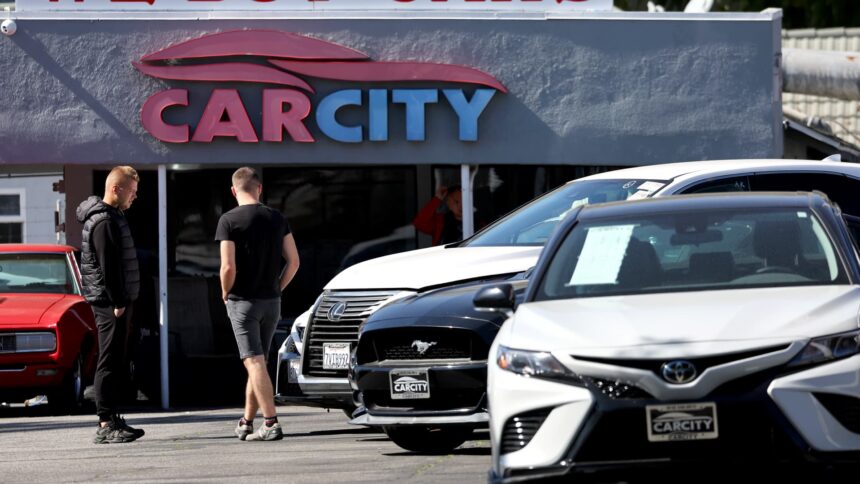
Used car prices experienced a decline for the first time since October, marking a significant shift in the market as gas prices began to rise in response to geopolitical tensions in the Middle East. According to the Manheim Used Vehicle Value Index from Cox Automotive, prices of used vehicles sold at its U.S. wholesale auctions fell by 1.6% in April compared to March, although they remained 1.8% higher than the same month last year.
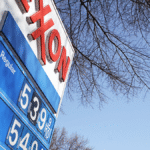
Cox Automotive highlighted that affordability continues to be a major concern for buyers, which is increasing the demand for older vehicles and electric vehicles (EVs) at Manheim auctions. This shift comes as gas prices at the end of April surged by $1.12 per gallon compared to a year earlier, reaching an average of $4.30 nationally. Prices have only continued to rise since then, hitting $4.56 as of Thursday.
Jeremy Robb, chief economist at Cox Automotive, commented on the situation, noting that the ongoing conflict in the region has raised energy prices significantly. He stated, “Those higher prices are soaking up a lot of the extra money in consumers’ pockets, and currently there’s no end in sight.” This persistent increase is affecting consumers’ purchasing power, particularly as retail prices for used vehicles typically follow wholesale price trends.
Cox forecasts that wholesale prices will rise at a historically stable rate of about 2% this year. As of March, the average listed price for a used vehicle stood at $25,390, which was approximately $100 higher than in February. The average listing price for a used electric vehicle is notably over $9,200 more than the overall market average. However, the swift increase in gas prices has stimulated a resurgence in EV sales, which had previously slowed following the cessation of federal incentives last year.
Additionally, the electric vehicle index from Manheim showed an increase of 7.2% year-over-year and a 1.4% rise since March. The dip in used vehicle pricing in April followed a robust spring selling season, where many consumers opted to utilize their higher tax refunds to either purchase or finance used vehicles.