The events leading up to Thanksgiving 2023 have become a sensational chapter in the saga of the artificial intelligence industry, marked by the dramatic ousting of OpenAI’s CEO, Sam Altman. The board of directors dismissed Altman, citing that he was “not consistently candid” in communications, a move that triggered a whirlwind of speculation and conspiracy theories.
The timeline of the conflict unfolded publicly, with OpenAI’s board communicating their decision through a vague blog post. This post fueled online discussions on platforms such as X, where various theories about the reasons for Altman’s abrupt termination began to circulate. Allegations soon emerged, suggesting that Altman may have misrepresented information related to OpenAI’s safety protocols, his ownership stakes in the company, and the release of new tools.
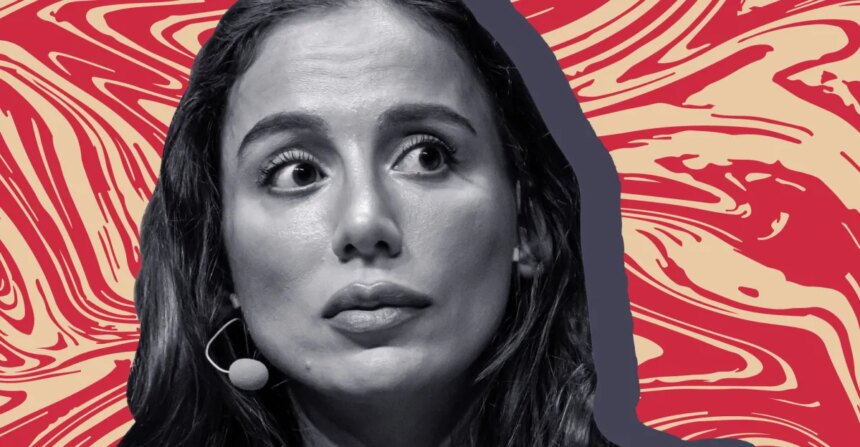
As chaos reigned within OpenAI, support for Altman surged among employees, who began an online campaign advocating for his reinstatement. Many expressed their sentiments by posting supportive messages, emphasizing that “OpenAI is nothing without its people.” Amidst this turmoil, the company’s former Chief Technology Officer, Mira Murati, found herself at the center of these unfolding events.
Murati was appointed as interim CEO immediately after Altman’s dismissal, but her tenure was brief as Emmett Shear was soon brought in to lead the company. The situation became even more convoluted when it was revealed that Murati had a significant role in instigating concerns about Altman’s leadership among the board members. Reports indicate she gathered critical information, including documented conversations and allegations regarding Altman’s management practices, which were then shared with board member Ilya Sutskever. This outreach culminated in a 52-page memo that raised serious questions about Altman’s leadership, claiming he exhibited a pattern of deceit and resistance to oversight from the board.
On November 16, a unanimous vote from four board members resulted in Altman’s termination, and Murati was appointed interim CEO. However, in a surprising twist, Murati later switched her stance, demonstrating support for Altman’s reinstatement. Over a series of 78 text messages exchanged in a single night, her conversations with Altman shifted from discussing potential reinstatement to conveying that board members had solidified their decision to remove him, revealing the complex dynamics at play.
Amid continued tensions, Murati communicated with Microsoft CEO Satya Nadella, urging him to make supportive statements for the OpenAI team, reflecting the escalating stakes involved in the turmoil. Surprisingly, employee backlash materialized quickly, with over 750 OpenAI employees signing a letter threatening to resign if Altman and Greg Brockman were not reinstated. This letter notably identified Murati as the first signatory, highlighting the discord within OpenAI’s leadership.
The unfolding drama prompted additional scrutiny into Murati’s role, as testimonies suggested a stark disconnect between her previous support for Altman and her involvement in concerns that led to his ouster. Witnesses characterized her response to the crisis as passive, indicating that she miscalculated her influence over the situation.
The revelations from Murati’s deposition during the Musk v. Altman trial shed light on her criticisms of Altman’s leadership style, emphasizing management issues that she felt undermined her ability to carry out her responsibilities effectively. Her insistence that her concerns were strictly management-related offered a glimpse into the larger operational struggles within OpenAI and the challenges of navigating leadership in the fast-evolving AI landscape.
As the dust settles, the turmoil surrounding Sam Altman’s ouster and Mira Murati’s pivotal role continues to be scrutinized, reflecting the intricacies of corporate governance and the contentious nature of leadership in the rapidly transforming AI industry.