The American economy is reflecting an unsettling trend, resembling a sprawling casino rather than a traditional marketplace. This shift has not gone unnoticed, with notable figures including former President Trump commenting on the changing landscape, asserting, “the whole world, unfortunately, has become somewhat of a casino.” Curiously, Trump’s own experience with a casino—culminating in bankruptcy—adds an ironic twist to his critique.
In recent years, the rise of crypto memecoins, mainstream sports gambling, and prediction markets laden with insider advantages, has intensified this casino-like atmosphere. Shocking instances of consumer behavior, such as people borrowing money for food delivery services, further emphasize this worrying trend. One recent innovation that encapsulates this shift is the introduction of a gamified crypto debit card marketed with the provocative slogan “buy now, pay maybe.”
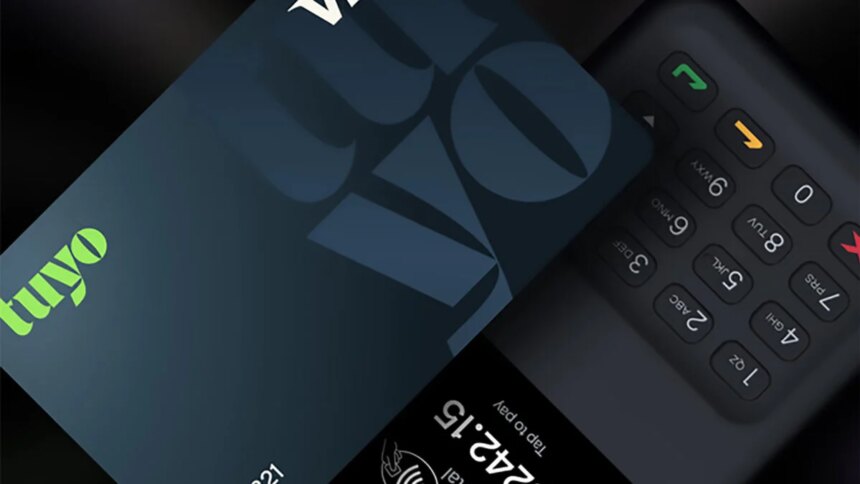
The Tuyo card, which touts itself as a DeFi-powered Visa debit card, operates primarily on the USDC stablecoin within Coinbase’s Base blockchain ecosystem. Unlike traditional debit cards, users manage funds within a self-custodied wallet and can choose to engage in “Earn” strategies through selected decentralized finance (DeFi) protocols. In most aspects, the card functions like any standard debit product, facilitating purchases directly from available balances without extending credit or permitting overdrafts. Furthermore, users can deposit and withdraw across various blockchain networks, including Ethereum and Polygon, with the company ensuring fiat conversions through regulated partners at competitive rates.
However, the central feature that distinguishes Tuyo from standard financial products is its “buy now, pay maybe” mechanism, which allows the company to occasionally waive charges on certain transactions. This strategy is framed as a means to enhance customer engagement, with Tuyo reporting over 1,700 purchases waived within a day of launching. The company emphasizes that they utilize an algorithm aimed at maximizing user satisfaction rather than functioning as a gambling mechanism, insisting that it is not a lottery or sweepstakes.
Despite these claims, the practical implications of the card liken each transaction to a chance encounter at a roulette table. Users remain in the dark regarding which purchases might be waived, as Tuyo does not disclose any odds or statistical frequencies related to these waived transactions. Critics, including fintech attorney Ariel Givner, suggest that this approach serves to exploit psychological triggers reminiscent of gambling addiction, transforming everyday spending into a form of roulette.
The concept of gamified rewards is not entirely new, with existing platforms like the Fold app allowing users to earn bitcoin back and potentially spin for bonus rewards. Traditional promotions like McDonald’s Monopoly game further illustrate how randomness can influence consumer behavior. However, the convergence of these techniques with financial applications raises alarms among some observers, who liken fintech evolution to a gambling ecosystem. Platforms that began as simple investment tools, like Coinbase, have morphed into complex environments rife with various cryptocurrencies, derivatives, and prediction markets.
Market analysts express increasing concern about the proliferation of gambling-like behaviors across the economic landscape, especially in a context where economic disparities are growing. Although inflation pressures from the earlier COVID period have diminished, current conditions echo historical precedents of economic turmoil, such as the hyperinflation experienced in the Weimar Republic. Investment researcher Luke Gromen draws parallels to these historical moments, citing the desperate measures individuals take to navigate profound inequality.
Statistics reveal troubling trends, with the top 1% of households in America owning over 31% of national wealth—the highest since 1989. This concentration means that real profits are consistently funneled to the wealthiest, amplifying existing inequalities. The sports betting sector, for instance, achieved record-breaking revenues, driven by the substantial amount wagered.
Furthermore, the financial activities of the Trump family, which reportedly grew by $1.4 billion from crypto ventures amid accusations of corruption and undue influence, highlight the intersection of wealth accumulation and this gambling-oriented economy.
The emergence of products like the Tuyo card marks just one facet of a larger trend where gambling increasingly intertwines with daily life and finance. This evolution should be recognized not merely as a novel consumer trend, but a significant development with far-reaching implications for societal norms and economic stability.