Last year, Ripple, the company behind the cryptocurrency XRP, reached a resolution in its protracted legal battle with regulators. The settlement came alongside a wave of excitement in the financial community, as seven spot exchange-traded funds (ETFs), including the Canary XRP ETF, were launched in the United States, attracting over $1 billion in capital inflows within a short period. This was expected to serve as a significant catalyst for XRP’s price, driving it upwards.
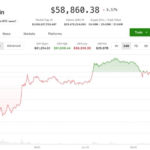
Indeed, there was an initial spike in value, with XRP reaching above $3.50 in July. However, this surge proved to be short-lived; the token has since fallen back to around $1.40, dipping below its pre-lawsuit resolution and ETF launch value. This raises questions among investors about what may be influencing XRP’s performance and what the future might hold.
At the center of XRP’s price dynamics lies a key misconception rooted in its bull thesis focused on bank adoption. The prevailing belief has been that as more banks and financial institutions incorporate Ripple’s technology, demand for XRP will naturally increase, consequently boosting its price. However, this interpretation overlooks the fundamentals of how banks utilize Ripple’s offerings.
Ripple primarily provides two products: RippleNet and On-Demand Liquidity (ODL). While these services have been rebranded, their core functions remain the same. RippleNet is oriented towards banking settlements, primarily serving the needs of major banks. On the other hand, ODL is designed for cross-border transactions and caters predominantly to fintech firms and remittance providers. Notably, although RippleNet accounts for the majority of Ripple’s transaction volume, it does not create direct demand for XRP; its usage does not depend on, or even involve, the cryptocurrency.
ODL does utilize XRP, but even this functionality currently handles a much smaller transaction volume compared to RippleNet. Thus, the effect of ODL on XRP’s price may be weaker than bullish investors anticipate.
Compounding these issues is Ripple’s introduction of a stablecoin, RLUSD, which can effectively substitute XRP in cross-border transactions. With a design aimed at maintaining a consistent value of $1, RLUSD provides a less volatile alternative for banks. This characteristic could incentivize financial institutions to avoid using XRP, as they prioritize the stability of transactions over potential price fluctuations.
Looking ahead, it’s anticipated that Ripple will evolve into a more substantial player in the payments infrastructure sector over the next five years. However, this anticipated growth doesn’t necessarily translate into a higher price for XRP. Existing misconceptions within the bank-adoption narrative, combined with the introduction of Ripple’s stablecoin as an alternative to XRP, raise doubts about the cryptocurrency’s future trajectory.
Despite the inevitable fluctuations that characterize the cryptocurrency market, a cautious outlook suggests that XRP may trade below $1 in five years, falling short of the ambitious price targets set by its more optimistic proponents.