Bitcoin and cryptocurrency prices have experienced remarkable growth recently, with Bitcoin soaring above $82,000, escalating from lows of $60,000 earlier this year. This surge has been fueled by speculation surrounding a potential $16 trillion “supercycle” in the digital asset market. However, amidst this rally, market participants are bracing for potential upheavals.
U.S. Secretary of War Pete Hegseth has drawn attention to the use of Bitcoin as a strategic asset in current geopolitical tensions, particularly against China. Meanwhile, the fallout from these developments has prompted a sense of urgency among Wall Street lobby groups, particularly regarding the crypto market structure bill known as the Clarity Act. The American Bankers Association (ABA) issued an emergency notice urging bank executives to engage immediately in advocacy against provisions allowing stablecoin balances to yield interest, expressing concerns about potential risks to economic stability and growth.
The latest version of the Clarity Act has sparked heated debate, particularly its provisions on stablecoin yields and protections for decentralized finance (DeFi) developers. ABA chief executive Rob Nichols emphasized the importance of immediate actions from bank leaders, requesting outreach to senators ahead of a critical Senate banking committee markup scheduled for later this week.
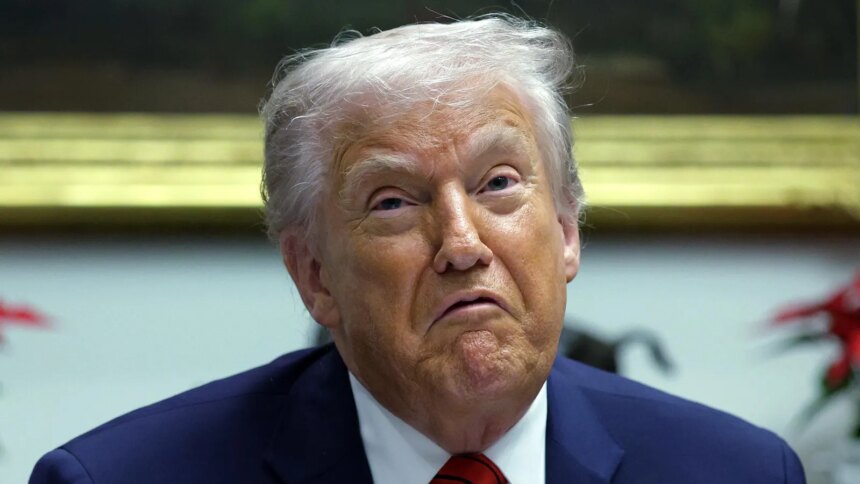
Former U.S. President Donald Trump has also weighed in, accusing banks of sabotaging his agenda promoting Bitcoin and cryptocurrencies. He has expressed that banks are undermining potential gains by not supporting the bill, warning that a failure to act could drive crypto innovations towards China. His comments highlight a broader concern among crypto advocates about maintaining competitive advantages in the global market.
In response to the ABA’s call to action, Senator Bernie Moreno highlighted the urgency of addressing what he termed an overreach by the banking sector. Calling it the “banking cartel in full panic mode,” Moreno criticized the characterization of stablecoin yields as a loophole, advocating for greater financial innovation and consumer choice.
The stakes are high, as previous estimates from various banking institutions suggest that allowing stablecoin yields could result in an outflow of up to $6.6 trillion in deposits. These developments have stirred optimism in the crypto community, with some analysts viewing the Clarity Act as a potential catalyst for future price increases in Bitcoin.
As discussions continue in Congress regarding the regulation of digital assets, industry experts like Simon-Peter Massabni have noted that clearer regulations could enhance institutional involvement and participation in the crypto market, particularly in the latter half of the year. The ongoing legislative developments are poised to shape the future landscape of cryptocurrency regulation and market dynamics.