Bitcoin has experienced a notable decline, sinking below the $80,000 mark on Wednesday. Alongside this downturn, U.S. spot Bitcoin exchange-traded funds (ETFs) witnessed substantial outflows, totaling $635 million—the highest level since January. The broader cryptocurrency market appears to be negatively impacted by soaring inflation data, which has shifted expectations for Federal Reserve rate cuts into 2027. In contrast, XRP remains resilient, holding steady at $1.45, with an increase of around 1.2% for the day. This could be linked to XRP’s connection with the CLARITY Act, which is currently under consideration.
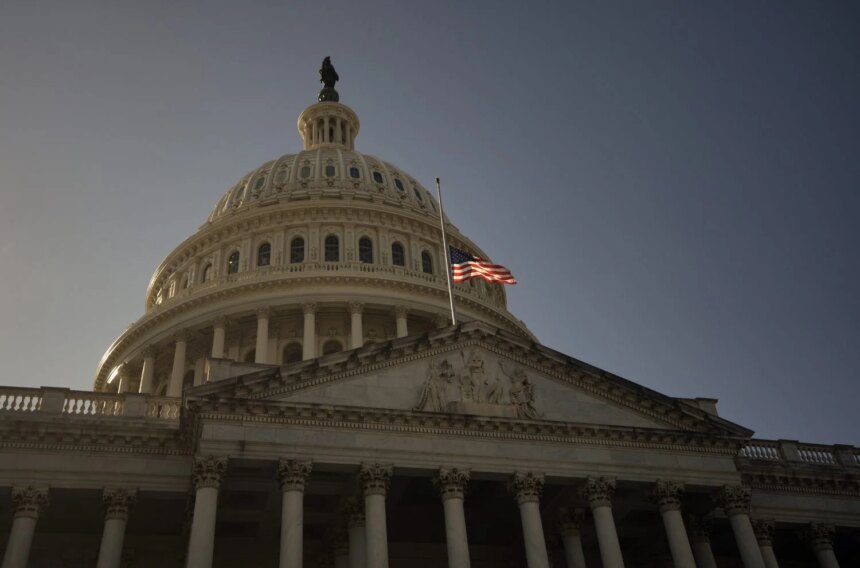
Today, the Senate Banking Committee is scheduled to meet at 10:30 AM EST to discuss and markup the CLARITY Act, legislation aiming to classify XRP as a commodity under federal law. Senator John Kennedy’s backing of the bill ensures that all 13 Republican votes are locked in, a development that has propelled Polymarket’s odds from 62% to 73%. A favorable committee vote seems likely, but three critical internal signals will influence XRP’s trajectory moving forward.
The first signal pertains to the stability of the Republican vote and any amendments that may be bundled with the CLARITY Act. Senator Kennedy was previously the sole Republican opposed to the bill but has now moved to support it after negotiating to include two amendments: one mandating a fiduciary duty for crypto industry professionals and another regarding housing funding co-sponsored with Senator Elizabeth Warren. While Kennedy’s agreement secures unanimous Republican backing, the bill still requires 60 votes to pass the full Senate, meaning that at least seven Democrats will need to support it.
The second signal focuses on whether a compromise regarding stablecoin yields will remain intact amidst potential amendments. A previous markup attempt faltered largely due to opposition from Coinbase CEO Brian Armstrong, whose company stood to lose substantial revenue from a proposed yield framework. Current negotiations have allowed activity-based rewards, but previous efforts to amend the yield language suggest that the situation remains fluid. If key amendments fail narrowly, the ongoing bipartisan compromise could remain in place. Conversely, broader opposition could jeopardize not only the stability of the bill but also XRP’s value, pushing it back to lower support ranges.
Lastly, the third signal to monitor is whether any Democrats will choose to cross party lines in support of the bill when it reaches the full Senate. A partisan vote today would significantly hinder the bill’s advancement, making it more complicated to garner the necessary support in June. Analyses have identified several Democrats as potential crossover votes, but the lack of a robust ethics provision in the CLARITY Act could deter some from supporting it.
As today’s markup unfolds, XRP’s future price movements will hinge on these three signals: a clean Republican vote, the stability of the stablecoin yield compromise, and potential bipartisan support from Democrats. A positive outcome could see XRP push beyond its current resistance levels, while a setback could see it retreat to lower price points.
The stakes are high, as today’s activities in the Senate Banking Committee not only influence the immediate outlook for XRP but also determine the bill’s viability moving forward, potentially impacting the legislative timeline anticipated by July 4. Observers will be keenly watching for the results of each amendment vote, the final tallies, and XRP’s market reaction as the day unfolds.