The landscape of Bitcoin mining has become increasingly tight, as miners grapple with a narrowing margin between profit and loss. Key factors such as electricity prices, machine performance, fees associated with mining pools, and even the occurrence of rejected shares are increasingly critical in determining the success or failure of mining operations. Following the 2024 Bitcoin halving, the situation became notably more severe. The reduction in the block reward, coupled with mining difficulty levels that have exceeded 135 trillion hashes, has taken a toll on profitability. For many miners, the cost of electricity to mine a single Bitcoin has climbed past $74,000, creating a pressing need for innovative solutions.
In response to this challenging environment, EMCD and Vnish have announced a strategic partnership aimed at tackling the profitability issues faced by miners. EMCD’s mining pool infrastructure will be fortified by Vnish’s advanced firmware technology, which already commands a 26.4% share of the global market. This collaboration seeks to identify areas where miners are incurring losses and develop strategies for enhancing profitability, all without necessitating additional hardware investments.
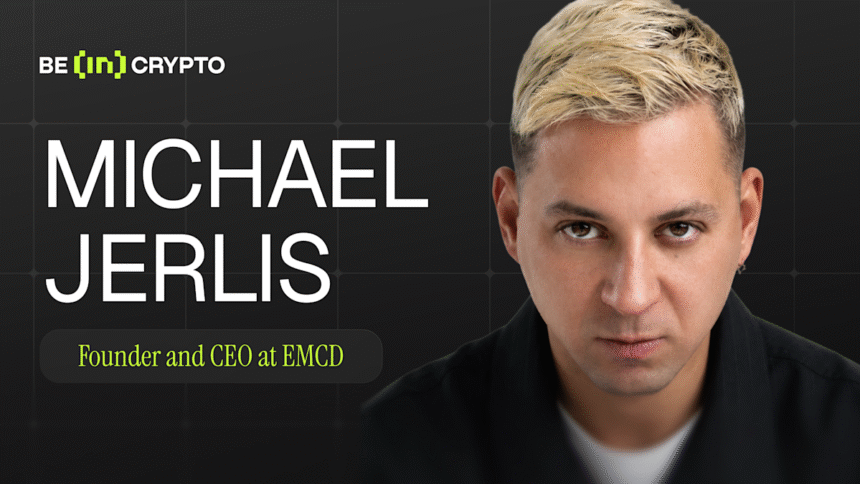
During a presentation at Consensus 2026 in Miami, EMCD CEO Michael Jerlis highlighted a shifting dynamic where miners require more substantive support from infrastructure providers. “Before, pools and machine manufacturers were just service providers,” he noted, emphasizing the evolving role of these entities in becoming more of a partnership with miners.
A closer look at the various challenges reveals that many inefficiencies often originate at the machine level. Standard firmware typically applies uniform voltage settings across ASIC chips, neglecting the fact that not all chips perform equally. This results in a significant loss of potential hardware performance, with estimates indicating that up to 25% may remain untapped. Furthermore, pool-related costs—particularly slight differences in pool fees—can considerably erode a miner’s annual earnings. Latency issues can add to the financial strain, as miners may expend energy on calculations that remain unrecognized by the pool.
To address these concerns, the EMCD–Vnish partnership focuses on providing actionable solutions rather than generic promises. The services will encompass hashboard diagnostics, tuning, strategies for reducing network-related losses, mining optimization techniques, and expert audits from both companies. By assessing miner setups to identify areas of performance leakage, the partnership aims to deliver straightforward steps for improvement.
Central to their strategy is the fine-tuning of firmware. Vnish’s expertise can optimize ASIC performance and curb unnecessary power consumption, which is crucial for miners operating on thin margins. Jerlis made clear that even minor enhancements can significantly affect profitability. Alongside firmware improvements, EMCD is exploring better connectivity to pool servers, which includes enhanced routing to minimize the rate of rejected shares—an essential factor since mining rewards hinge on accepted work.
As miners face an increasingly demanding market post-halving, they must adopt a more disciplined operational approach. Although accessing cheaper energy remains important, it alone is insufficient. Efficient machine tuning, reliable firmware, and enhanced pool interactions are now equally vital.
EMCD has been designed to address these evolving needs through robust, continuous support. The partnership with Vnish further extends this goal into the realm of optimization, aiding miners in maximizing their Bitcoin acquisition while minimizing operational expenses. In essence, the collaboration aims to empower miners to thrive amid a market where even minute inefficiencies can lead to substantial losses.