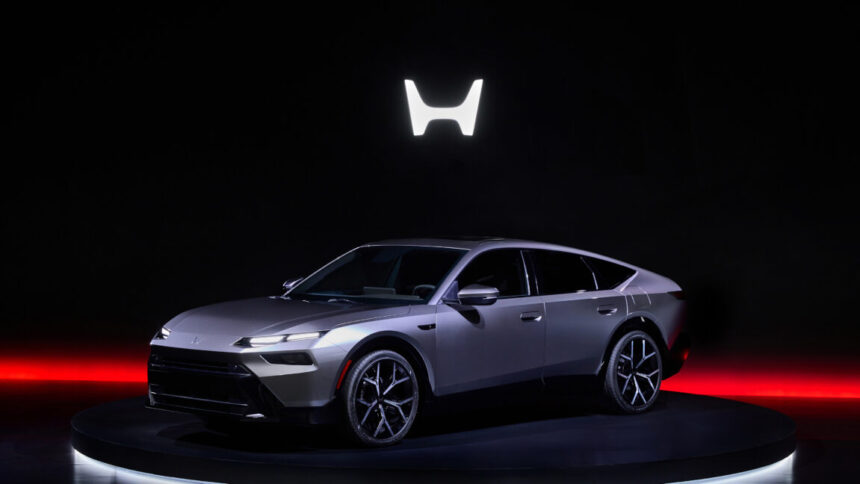
Honda has announced an ambitious plan to launch 15 models featuring a new generation of hybrid powertrains by 2030, with a significant focus on the North American market. This initiative includes the introduction of a full-size SUV designed to compete in the D-segment alongside prominent models like the Toyota Sequoia and the Chevrolet Suburban. The automotive giant is aiming for a 10 percent increase in fuel efficiency while simultaneously achieving a 30 percent reduction in costs for its new hybrid systems. The first of these models, a sedan, is set to debut next year, heralding a new era in Honda’s hybrid offerings.
Acura, Honda’s performance brand, will also play a notable role in this transition, as it has unveiled prototypes for a new hybrid SUV specifically targeted for the American market. This strategic move illustrates Honda’s commitment to electrification across its various brand segments.
To support the rollout of these hybrids, Honda plans to overhaul its production capabilities in the United States, ensuring that all its factories are equipped to manufacture hybrid vehicles. This follows the efforts revealed last year to integrate battery electric vehicle (BEV) assembly into its plant in Marysville, Ohio. Additionally, Honda’s ongoing battery joint venture with LG Energy Solution will modify part of its line to produce hybrid traction batteries, acknowledging the increased demand for this technology.
Honda’s regional strategies highlight divergent approaches in different markets. In Japan, the focus will shift away from larger hybrids to more compact electric Kei cars, which have gained traction and positive attention. The company is navigating regulatory challenges, particularly as it seeks to make these smaller vehicles street-legal in the U.S., following interest previously expressed by figures such as former President Trump.
In contrast, Honda acknowledges that growth in China necessitates aligning more closely with the rapid pace of local businesses, which will involve launching a greater number of new electric vehicles. Furthermore, India is identified as another key market, with plans to introduce mid-sized vehicles alongside smaller models aimed at enticing Honda’s existing base of 6 million motorcycle customers to consider upgrading to cars.
As Honda embarks on this extensive electrification journey, it is poised to significantly reshape its product lineup and manufacturing processes across the globe, while adapting to regional preferences and market demands.