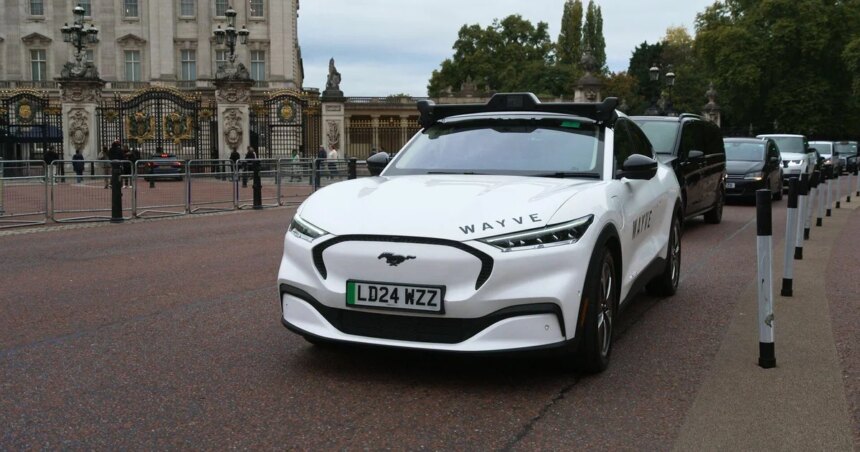
A significant transformation is taking shape on the historic streets of London, where iconic black cabs, emblematic of the city, will soon face competition from artificial intelligence-powered autonomous taxis. These technological innovations, which are being implemented in various American cities, are said to offer enhanced safety and efficiency compared to their human-driven counterparts. However, seasoned cab drivers in London are standing firm against this new wave of transport, bolstered by their own rigorous training and extensive expertise.
The foundation of the black cab industry lies in a demanding licensing process that includes passing the “Knowledge” test, which has been in place since 1865. This exam requires drivers to memorize an astonishing 25,000 streets, along with numerous landmarks and businesses, allowing them to navigate the city with unmatched proficiency. Veteran driver Tom Scullion, who has been behind the wheel for 34 years, expressed pride in the profession, highlighting the deep-rooted trust that customers place in cabbies. Many passengers hail cabs without prior acquaintance, exemplifying the confidence they have in human drivers.
During their daily operations, cabbies endure frequent inquiries from riders about their chosen routes, often countering suggestions made by navigation apps. Scullion asserts that the depth of knowledge possessed by licensed cab drivers far surpasses any digital tool, drawing a humorous analogy comparing it to the culinary skills of a world-renowned chef against those of a street vendor.
Aspiring cab drivers also face lengthy preparation periods to master the Knowledge. Candidates don their best attire for oral examinations, where they are quizzed rigorously on specific routes across the city. For those who succeed, the challenge of memorization has been shown to physically alter their brains, with research indicating that the posterior hippocampi of long-term cab drivers grow as they progress in their careers.
The advent of autonomous vehicles has yet to be officially sanctioned for passengers in London, but companies like Waymo, backed by tech giants, are actively testing their cars on local streets. Co-CEO Tekedra Mawakana claims data shows that Waymo’s autonomous vehicles are statistically safer than human drivers, emphasizing the significant distance their fleet covers weekly—a feat that a human driver would take a lifetime to achieve.
While Waymo aims to lead the charge in the autonomous market, it faces competition from startups like Wayve, which employs a different strategy by training its AI in real-time environments rather than relying solely on pre-mapped data. CEO Alex Kendall insists that this adaptive learning model will better equip their vehicles to handle the unpredictable nature of urban driving.
Despite the advancements and promises made by tech companies, traditional cab drivers remain unshaken. Many maintain that nothing can replace the intuitive strengths of a human driver, particularly when it comes to addressing the unique demands of passengers. Some express concern about the broader implications of AI on various professions, including their own.
In recent years, the number of black cab drivers has dwindled from 25,000 to 16,000, exacerbated by the rise of ride-hailing apps. Nevertheless, the allure of becoming a licensed cabbie persists. Those committed to this path often undergo years of preparation, facing numerous setbacks along the way. Recently, one hopeful, after a long struggle, finally passed the Knowledge and earned the coveted license.
Ultimately, cab drivers emphasize the historical and symbolic significance of black cabs as integral to London’s identity, arguing that they represent something more than just a means of transportation. As the battle between traditional black cabs and autonomous vehicles intensifies, the outcome remains uncertain, but one thing is clear: the legacy of the classic London cab will be fiercely defended.