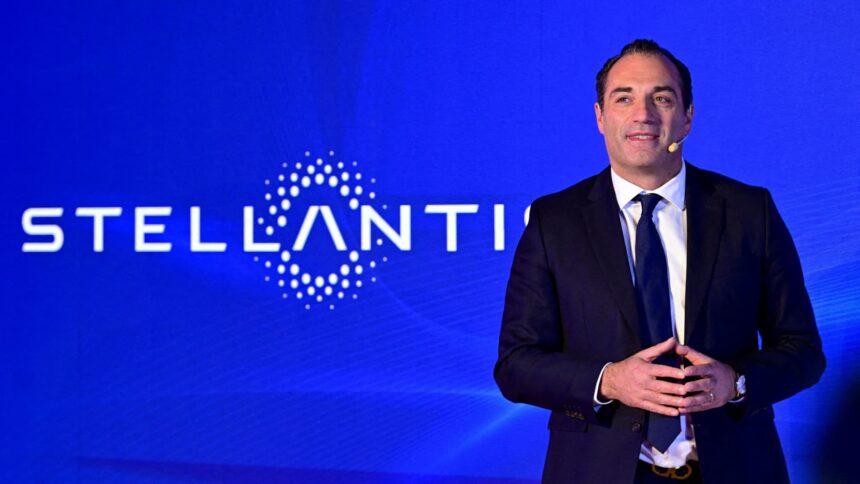
In a recent address, Stellantis CEO Antonio Filosa expressed that leading the transatlantic automaker has been a realization of a long-held dream for him. However, his tenure has coincided with a significant decline in the company’s stock, which has plummeted nearly 30% since he was appointed CEO. Since officially taking the helm in June, shares have dropped by approximately 21%.
Filosa and his executive team are poised to unveil a comprehensive turnaround plan for the struggling automaker during a capital markets day at Stellantis’ North American headquarters near Detroit. The event is seen as a pivotal moment for the company, promising stakeholders a clear vision for the future with definitive priorities and an actionable strategy.
The new strategy is expected to focus on key brands such as Jeep and Ram in the U.S. and Fiat and Peugeot in Europe, alongside outlining cost-reduction measures to steer the company back to profitability following a staggering net loss of 22.3 billion euros ($26.3 billion) last year. Filosa acknowledged that while it is a dream to be at the helm of Stellantis, he also recognized the urgent need for fixing ongoing issues within the organization. He described these efforts as progressing at “the speed of light” and expressed confidence in the strategic direction that will be presented.
However, Wall Street remains skeptical. The broader automotive industry faces significant pressures, including rising concerns about artificial intelligence, competition from Chinese companies, and U.S. tariffs. Stellantis itself has seen a loss of market share and a tumultuous relationship with suppliers and dealers. Additionally, the company has dialed back its ambitious electric vehicle initiatives, demonstrating a significant restructuring away from all-electric plans last year.
Despite reporting initial improvements in the first quarter of the fiscal year, analysts from BofA Securities voiced concerns, downgrading the company’s standing amidst fears that these changes might not lead to a sustainable turnaround. They noted that while the restructuring efforts are starting to show effects, there is still no credible path toward higher margins and cash generation, which could hinder the recovery of the stock price.
Filosa, however, remains optimistic, advocating for a shift in Stellantis’ image to that of a growth-oriented company, especially in light of former CEO Carlos Tavares’ years of market share losses. He emphasized that 2026 will be a decisive year for execution and has initiated a global cost-cutting campaign designed to boost profits and enhance partnerships, particularly with Chinese automakers such as Leapmotor and Dongfeng Group.
Recently, Stellantis has expanded its partnership with Dongfeng, transitioning from just vehicle production in China to a joint venture situated in Europe, and is exploring collaborative product development in the U.S. with Jaguar Land Rover. While Filosa has refrained from detailing the specifics of the cost-cutting initiative dubbed the Value Creation Program, he has indicated that the main focus will be on North American and European operations, aimed at bolstering all 14 of the company’s auto brands.
The event is also expected to highlight potential new products for brands like Chrysler, which have struggled in recent years, as well as discussions regarding the performance SRT brand, known for its profitability. Filosa has indicated that while all brands are vital, investment decisions should be based on their specific performance metrics and potential.
As the automotive giant gears up for its investor day, all eyes will be on whether Filosa’s plans can effectively navigate the myriad challenges facing Stellantis and restore investor confidence.