Imax has recently seen a significant spike in its stock price, with shares rising by $3.62, or nearly 11 percent, reaching $37.50. This surge in after-hours trading follows reports that the company may be exploring potential buyers. According to The Wall Street Journal, discussions are in the preliminary stages as major film studios increasingly invest in premium large format (PLF) screens, transforming the multiplex experience.
While Imax executives have refrained from commenting directly on these rumors of a possible sale, CEO Richard Gelfond addressed the company’s strategic direction during a recent investors’ day. He emphasized that as consumer demand for enhanced viewing experiences grows, Imax is becoming a more valuable asset. “As this trend accelerates, Imax becomes an incredibly valuable player, either as a wholly differentiated publicly traded company or as part of a larger company with the keys to unlock even greater value,” he stated, highlighting the strong market position of Imax in the evolving entertainment landscape.
The emerging interest in a potential sale comes amid a renewed focus on theatrical releases by Hollywood studios, which are navigating the post-pandemic market. While the sales process for Imax is still in its nascent phase, industry experts note that it may not necessarily lead to a transaction. Nevertheless, the company’s unique offerings have positioned it as an appealing target for acquisition.
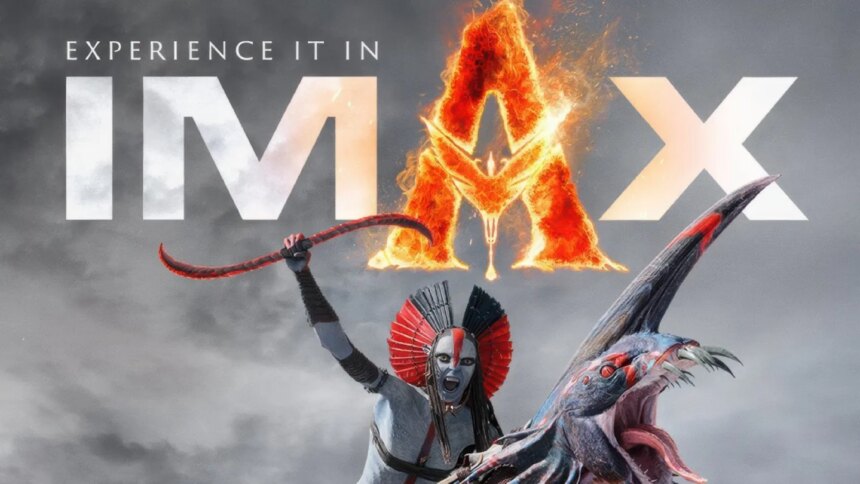
Imax continues to thrive despite comprising only 1 percent of North American screens; it has managed to capture nearly 20 percent of opening weekend grosses for major films such as “Sinners” and “Mission: Impossible — The Final Reckoning” over the past year. Recent releases, including “Avatar: Fire and Ash” and “Project Hail Mary,” signal Hollywood’s commitment to high-end, immersive movie experiences aimed at drawing audiences back to theaters.
As the entertainment sector adapts to the rising trend of event cinema, Imax’s studio partners are not only leveraging its advanced screening technologies but are also increasingly employing proprietary Imax cameras for filmmaking, further solidifying the company’s influential role in the industry. The discussions surrounding a potential acquisition, coupled with the growing interest in premium film technologies, underscore the shifting dynamics within the cinematic landscape as Imax positions itself at the forefront of this evolution.