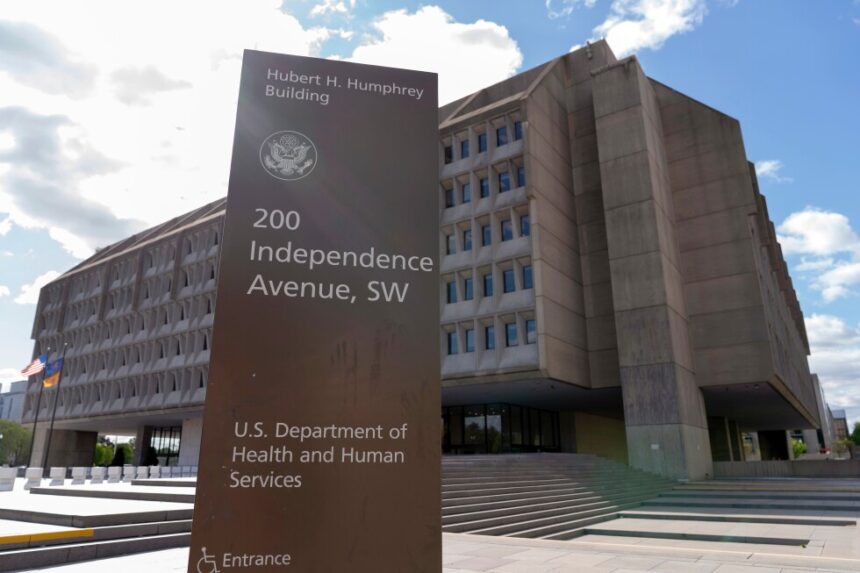
The U.S. Department of Health and Human Services (HHS) has announced a significant enhancement in its auditing processes by incorporating artificial intelligence technologies, including ChatGPT. This initiative aims to improve oversight of how states and other federal funding recipients manage their health programs, with the goal of reducing fraud and conserving government resources.
In a recent interview, Gustav Chiarello, the assistant secretary for financial resources overseeing the initiative, criticized the traditional audit process. “It’s classic big government: Everyone files an audit and it lands with a thud and no one does anything about it,” he stated. By leveraging AI, the department hopes to analyze audit reports from all 50 states continuously, thereby identifying inconsistencies and issues that might otherwise remain hidden.
This initiative builds on a broader strategy to utilize generative AI for various functions within the HHS, including automating administrative tasks and streamlining text editing. While AI tools show promise in uncovering patterns and potential fraud in extensive documentation, some critics have raised concerns about their reliability and the risk of inherent biases.
The government has prioritized anti-fraud efforts, with support from the Trump administration and Vice President JD Vance’s task force focused on Medicaid, Medicare, and student loan applications. These efforts also involve the use of AI to flag probable fraudulent activities, as mentioned by Federal Trade Commission Chairman Andrew Ferguson.
States, local governments, nonprofits, and educational institutions receiving at least $1 million in federal funding annually are obligated to submit yearly audit reports. The new AI initiative will specifically evaluate audits related to HHS-funded programs, encompassing state Medicaid programs and federal grantees across research, addiction services, and other sectors.
Forthcoming measures indicate that recipients failing to file or resolve issues from their audits may face funding cuts. HHS has proactively communicated these changes, sending letters to governors and treasurers nationwide. One communication stated that the department will no longer allow chronic audit noncompliance to go unaddressed indefinitely.
Despite these intentions, some critics have expressed skepticism regarding the administration’s focus on fraud. Concerns have been raised about potential biases in targeting, particularly against Democratic-led states. In a notable instance, the administration admitted to a significant error in data used to support a Medicaid fraud investigation in New York.
When addressing the potential pitfalls of using AI, Chiarello acknowledged that the initiative relies on reviewing existing public reports rather than discovering new data. He emphasized that the objective of these AI tools is to enhance accountability among federal funding recipients.
Rob Weissman, co-president of Public Citizen, expressed doubts about the administration’s commitment to genuinely tackling fraud, asserting that the administration’s true objectives might differ from its stated intentions.
Chiarello remains optimistic, stating that he is in discussions with counterparts from other federal agencies, suggesting that adopting similar AI technologies across government sectors could further bolster efforts against fraud.